Adventure & Nature
The intersection of adventure and nature represents the essence of authentic camping experiences. Beyond simply pitching a tent in a designated area, this connection involves immersive encounters with diverse ecosystems, mindful exploration of wild landscapes, and activities that awaken both the body and the senses. Whether you’re seeking the mental clarity that comes from disconnecting in remote settings or the thrill of navigating challenging terrain, understanding how to engage with nature responsibly transforms a simple trip into a meaningful journey.
This comprehensive resource explores the fundamental aspects of nature-based camping adventures, from identifying truly preserved environments and selecting appropriate gear to timing your visits for optimal wildlife encounters and supporting local communities. You’ll discover practical methods for families to explore without damaging fragile ecosystems, learn to distinguish authentic eco-friendly campsites from those merely greenwashing their practices, and gain confidence in planning adventures that align with natural rhythms while minimizing environmental impact.
Authentic Nature Immersion & Environmental Consciousness
The promise of “nature” has become a marketing tool, yet not all natural settings offer the same quality of experience or environmental integrity. Understanding what constitutes genuine preserved nature requires looking beyond superficial labels and examining the actual ecological health of a camping destination.
What Preserved Nature Really Means
In the context of camping labels and certifications, preserved nature refers to ecosystems where biodiversity is actively protected, native species thrive, and human intervention follows strict conservation principles. Look for campsites located within or adjacent to protected areas such as regional natural parks, nature reserves, or zones classified for their ecological significance. These designations typically come with enforceable regulations that limit development, restrict visitor numbers during sensitive periods, and mandate habitat restoration efforts.
Genuine preservation goes beyond simply leaving trees standing. It involves active biodiversity management—such as maintaining wildlife corridors, preserving wetlands, and implementing native plant landscaping policies. The “Let it Grow” approach, where certain zones are deliberately left unmowed to support pollinator populations and ground-nesting birds, exemplifies this philosophy. When researching campsites, investigate whether they participate in recognized environmental monitoring programs or collaborate with local conservation organizations.
Spotting Greenwashing in Eco-Campsites
As environmental concerns influence consumer choices, some accommodations adopt superficial “green” practices while maintaining fundamentally unsustainable operations. Subtle signs of greenwashing include vague environmental claims without third-party certification, emphasis on guest convenience over genuine conservation, and marketing that highlights aesthetic naturalness rather than ecological functionality.
Examine the hidden ecological costs of seemingly green accommodations. For instance, glamping structures that require permanent foundations may fragment habitats, while solar panels are only truly sustainable if the campsite also minimizes overall energy consumption. Authentic eco-campsites transparently share data about water usage, waste diversion rates, and concrete biodiversity outcomes rather than relying on pastoral imagery and generic environmental rhetoric.
Hiking & Trail Adventures Across Diverse Terrains
Hiking remains the cornerstone activity for experiencing natural landscapes intimately, offering everything from gentle coastal paths to demanding mountain ascents. Successfully navigating these environments requires understanding trail classification systems, matching routes to your fitness level, and selecting appropriate equipment for specific terrain types.
Understanding Trail Marking Systems
Trail marking varies significantly between regions, but most systems use color-coded indicators to denote route difficulty and distance. White and red markings typically indicate long-distance trails (Grande Randonnée or GR routes in French systems), while yellow markings designate shorter local circuits. The shape and placement of markers—painted blazes on trees and rocks, or dedicated posts at intersections—provide directional guidance and reassurance that you’re on the correct path.
Coastal trails versus inland routes present distinct challenges. Coastal paths often feature spectacular cliff walks with constant elevation changes, exposure to wind, and occasionally narrow ledges requiring sure footing. Inland forest trails may offer more shade and shelter but can include stream crossings, muddy sections after rain, and less obvious navigation points. Research trail conditions in advance and understand that difficulty ratings consider not just distance but also cumulative elevation gain, terrain roughness, and exposure to elements.
Choosing the Right Footwear for Your Terrain
The foundation of any successful hiking adventure lies literally beneath your feet. Trail runners work well for maintained paths with minimal elevation change, offering lightweight comfort for distances under 10 kilometers. Mid-height hiking boots provide ankle support and protection for rocky, uneven terrain or when carrying moderate loads. Full hiking boots become essential for multi-day treks, challenging mountain environments, or when navigating loose scree and boulder fields.
Beyond boot height, consider sole stiffness and tread pattern. Vibram soles with deep lugs excel on muddy or loose surfaces, while flatter treads suit rocky terrain where surface contact matters more than grip depth. Break in new footwear gradually—blisters can transform an anticipated adventure into an ordeal within the first hour.
Water-Based Activities for Every Skill Level
Coastal and riverside campsites open opportunities for aquatic adventures ranging from tranquil snorkeling to adrenaline-fueled whitewater sports. Success in these activities depends heavily on timing your visit to match water conditions and selecting appropriate learning pathways for your skill level.
For beginners interested in windsurfing or sailing, starting with calm morning waters before thermal winds develop provides a forgiving learning environment. Many campsites near lakes or sheltered bays offer equipment rentals and instruction, though comparing campsite offerings versus specialized water sports centers often reveals significant differences in equipment quality and instructor credentials. Dedicated centers typically provide newer gear and more structured progression paths, while campsite rentals offer convenience and lower costs for casual experimentation.
Snorkeling requires minimal skill but rewards careful site selection. The best spots combine clear water, rocky or reef substrates that support marine life, and protection from strong currents. Timing matters—visit during stable weather windows and, for marine environments, research tidal patterns to avoid periods of poor visibility. River-based adventures like kayaking or canyoning depend critically on water levels. Spring snowmelt creates exciting but potentially dangerous conditions suitable only for experienced practitioners, while late summer often provides ideal beginner-friendly flows.
High-adrenaline river sports in specific gorges—such as whitewater rafting in the Verdon or hydrospeed in Pyrenean torrents—demand respect for water power and realistic self-assessment. These activities suit physically fit individuals comfortable with cold water immersion and following precise safety instructions under pressure.
Wildlife & Flora Discovery Throughout the Seasons
Nature observation transforms camping from passive relaxation into active engagement with living ecosystems. Whether tracking nocturnal wildlife, photographing migratory birds, or identifying seasonal wildflowers, success requires appropriate equipment, timing awareness, and patient, respectful approaches.
Essential Gear for Nature Observation
Your observation toolkit varies based on target species and habitat. For general wildlife watching, 8×42 binoculars offer the optimal balance of magnification, light-gathering capability, and portability. This specification works effectively from forest edges to coastal headlands. Serious birders often prefer higher magnification (10x or 12x) with image stabilization, while butterfly and insect enthusiasts benefit from close-focus capabilities.
Field guides specific to your destination’s bioregion prove invaluable for accurate identification. Digital apps offer convenience and multimedia references, but physical guides eliminate concerns about battery life and often include range maps and seasonal information more clearly. For photography, a telephoto lens (minimum 200mm, ideally 400mm or longer) allows respectful distance while capturing detail. However, simply observing without documentation often creates more present, memorable experiences.
Timing Your Visit for Optimal Wildlife Encounters
Wildlife activity follows daily and seasonal rhythms that dramatically affect observation success. Most mammals are crepuscular—most active during dawn and dusk—making early morning excursions far more productive than midday hikes. Nocturnal species require different approaches: red-filtered headlamps minimize disturbance while preserving your night vision, and listening often matters more than looking.
Bird migration creates spectacular but brief windows of opportunity. Spring migration (typically March through May in European contexts) sees birds in breeding plumage actively singing and establishing territories, making them both conspicuous and identifiable. Autumn migration offers higher numbers but more cryptic plumages. Coastal locations along major flyways provide front-row seats to these ancient journeys. Flora observation similarly depends on seasonal timing—alpine meadows transform from barren to spectacular across just a few weeks in late spring, while autumn brings woodland color changes and fungal fruiting bodies.
Sustainable Camping Practices That Protect Nature
Authentic nature connection carries responsibility to minimize impact and preserve the environments we enjoy. This extends beyond obvious rules like packing out trash to encompass more nuanced considerations about timing, behavior, and daily routines.
Timing activities to minimize wildlife disturbance means avoiding sensitive areas during nesting seasons, staying on designated trails when ground vegetation is wet and vulnerable to damage, and maintaining quiet during dawn and dusk when animals are most active and stressed by human presence. Family engagement with nature becomes sustainable when adults model leave-no-trace principles: observe animals from respectful distances, never feed wildlife (which alters natural behavior and creates dangerous habituation), and explain to children why staying on trails protects fragile plant communities.
Infrastructure choices reveal campsite environmental commitment. Eco-friendly toilet systems—composting toilets, dry toilets, or properly managed septic systems—handle human waste without contaminating groundwater. Water conservation measures like low-flow fixtures, rainwater collection for irrigation, and native plant landscaping that eliminates irrigation needs demonstrate serious sustainability rather than superficial gesturing.
Campers can actively support site biodiversity initiatives by participating in citizen science programs, respecting zones designated for ecological restoration, and choosing campsites that allocate portions of fees toward conservation projects. Understanding that slightly “wilder” campsite aesthetics—longer grass, log piles, diverse plantings rather than monoculture lawns—often indicate superior ecological functionality helps shift expectations away from manicured landscapes toward genuinely healthy ecosystems.
Connecting with Local Communities & Rural Heritage
Nature-based camping exists within broader rural landscapes shaped by agriculture, traditional land management, and local economies. Engaging meaningfully with these communities enriches the travel experience while providing crucial economic support to regions often struggling with depopulation and economic challenges.
The “Bienvenue à la Ferme” network and similar agritourism initiatives across rural regions connect visitors directly with working farms. These experiences offer authentic insights into food production, seasonal agricultural rhythms, and traditional practices while supporting farm economic viability. Timing farm visits to coincide with specific activities—lambing in spring, harvest periods in autumn, cheese-making demonstrations—maximizes educational value.
Purchasing directly from producers provides both environmental and economic benefits. Food miles drop dramatically, packaging often becomes minimal, and money flows directly to producers rather than being absorbed by distribution chains. Local markets, farm stands, and campsite partnerships with nearby producers make this both convenient and rewarding. Beyond food, seeking locally made crafts, supporting regional outdoor guides, and choosing campsites that employ local staff all contribute to sustainable rural economies.
Planning Your Nature-Based Adventure
Successful adventure requires balancing spontaneity with practical preparation. Understanding regulations governing different camping types prevents disappointing situations and potential legal issues. Wild camping rules vary dramatically by region and country—from relatively permissive policies in Scotland to strict prohibitions in many protected areas. Research specific regulations for your intended destination, respect private property boundaries, and recognize that “wild camping” doesn’t mean “camping without rules” but rather camping responsibly in undesignated locations following stricter leave-no-trace protocols.
Optimizing your daily routine to align with natural rhythms enhances both experience quality and success in outdoor activities. This means rising with or before dawn for wildlife observation and hiking before heat peaks, retreating to shade or water activities during midday, and scheduling evening explorations as temperatures cool and different species become active. This pattern not only matches animal activity but also proves more comfortable and safe than fighting against midday heat or navigating trails in darkness.
Preventing disappointment regarding nature exposure requires honest assessment of campsite characteristics. “Nature camping” exists on a spectrum from remote wilderness sites requiring self-sufficiency to family-friendly campgrounds offering amenities within natural settings. Read reviews specifically addressing noise levels, site density, vegetation screening between pitches, and proximity to genuine natural areas versus decorative landscaping. Understanding what you’re actually booking prevents the frustration of expecting wilderness solitude and arriving at a crowded facility.
Whether you choose guided exploration or autonomous adventure depends on your experience level, comfort with uncertainty, and learning preferences. Guided options provide safety, expert knowledge, and access to locations or activities requiring specialized skills or permits. Autonomous exploration offers flexibility, solitude, and the satisfaction of self-reliance but demands thorough preparation, appropriate skills, and acceptance of greater responsibility for outcomes.
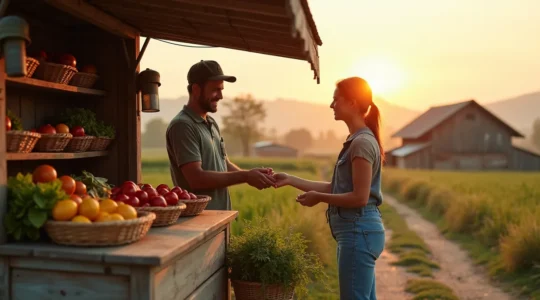
A Data-Driven Guide to Slashing Your Travel Food Footprint by Buying Direct
Buying food directly from farms isn’t just a charming experience; it’s a quantifiable strategy that can cut your food’s transport-related emissions by over 90%. It dramatically shortens the supply chain, which can be 5 to 17 times more carbon-intensive than…
Read more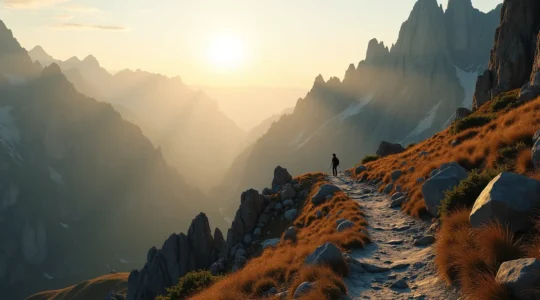
Pyrenees vs Alps: Why Real Hikers Prefer the Rugged Border Mountains
The choice between the Pyrenees and the Alps is not about altitude or infrastructure; it’s a choice of philosophy, where the Pyrenees offer an authentic partnership with nature over the Alps’ polished spectacle. The Pyrenees demand respect and awareness (afternoon…
Read more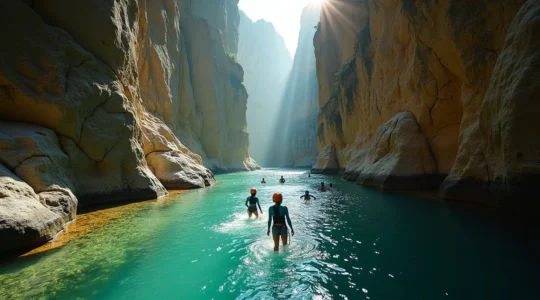
Is Canyoning in the Verdon Gorge Suitable for Beginners or Just Experts?
Canyoning in the Verdon Gorge is accessible to motivated beginners, but only if they honestly assess their own physical and mental readiness for a challenging natural environment. Non-negotiable safety gear, like a 5mm wetsuit, is required even in summer due…
Read more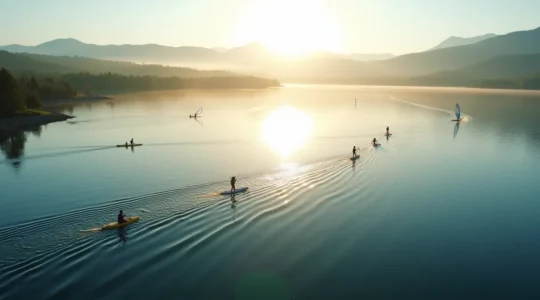
Which Water Sport Should You Try Based on Your Fitness Level?
Choosing a new water sport isn’t about finding the “easiest” one, but about correctly matching the sport’s specific physical demands to your current fitness. Your success depends on understanding a sport’s requirements for stability (core strength), power (upper body), and…
Read more
Why Choosing a Campsite in Preserved Nature Reduces Stress Levels by 50%?
True mental restoration from camping isn’t passive; it’s an active process of substituting urban overload with deep, sensory immersion in the wild. Genuine wilderness (like Natura 2000 sites) provides the low-stimulus environment necessary for your brain to begin its recovery…
Read more