Blog
Camping represents one of the most accessible and rewarding ways to reconnect with nature, explore new destinations, and create lasting memories with loved ones. Whether you’re drawn to the simplicity of sleeping under the stars, the thrill of outdoor adventures, or the pleasure of slowing down in natural surroundings, camping offers experiences that hotels simply cannot replicate. Yet for many beginners and even intermediate travelers, the transition from conventional accommodation to camping can feel overwhelming—raising questions about everything from booking procedures to meal preparation in compact spaces.
This comprehensive resource brings together the essential knowledge you need to plan, experience, and cherish memorable camping trips. From strategic booking techniques and sustainable practices to practical campsite management and immersive outdoor activities, we’ll explore the full spectrum of camping travel. Our goal is to equip you with the confidence and insight to make informed decisions at every stage of your journey, transforming uncertainty into anticipation.
Planning Your Perfect Camping Trip: Timing and Booking Strategies
Successful camping experiences begin long before you pitch your tent. The planning phase determines not only where you’ll stay, but also the quality of your experience and often the cost of your adventure.
Understanding Booking Windows and Demand Patterns
The concept of booking windows is particularly crucial for camping accommodations, especially for popular campsites and eco-lodges with limited capacity. Unlike hotels that can accommodate walk-ins, premium camping locations often reach full capacity months in advance during peak seasons. Securing your preferred dates typically requires booking 3-6 months early for summer holidays and major festivals, while shoulder season trips may allow more flexibility with 4-8 week advance bookings.
Consider this practical example: a family planning a camping trip to a coastal region during school holidays discovers that beachfront pitches are claimed within days of becoming available, while inland sites remain bookable weeks later. Understanding these demand patterns allows you to prioritize which reservations to make first and where you might find availability closer to your departure date.
Securing Specific Pitches and Coveted Accommodations
Not all camping pitches offer equal experiences. Location within the campsite matters enormously—some spots provide shade and privacy, while others might be near facilities or offer superior views. When booking opens for popular campsites, experienced campers often target specific pitch numbers they’ve researched through site maps or previous visits.
To optimize your booking:
- Review the campsite map before booking opens to identify preferred locations
- Note pitch numbers near amenities if traveling with young children or those with mobility considerations
- Consider distance from high-traffic areas like shower blocks and playgrounds depending on your priorities
- Understand cancellation policies thoroughly—flexibility may justify slightly higher fees
Managing Payment Flows and Cancellation Policies
Camping reservations typically involve different payment structures than hotels. Many campsites require full prepayment or substantial deposits, with varying refund policies. Understanding these financial commitments protects both your budget and your flexibility.
Premium eco-lodges and glamping sites often implement stricter cancellation terms due to their limited inventory—some offering no refunds within 30 days of arrival. Conversely, traditional campsites may charge nominal administration fees for changes made well in advance. Always clarify whether deposits are transferable to alternative dates, as this flexibility can prove invaluable when weather or personal circumstances change unexpectedly.
Embracing Sustainable and Eco-Friendly Camping Practices
The growing consciousness around environmental impact has transformed camping from a simple outdoor activity into an opportunity to practice meaningful sustainability. However, truly eco-friendly camping requires understanding both the possibilities and the limitations of green accommodations.
The Reality of Eco-Lodges: Managing Expectations
Eco-lodges promise reduced environmental footprints through renewable energy, water conservation, and minimal construction impact. Yet these admirable goals sometimes come with practical trade-offs that surprise first-time guests. Solar-powered accommodations may offer limited electricity during cloudy periods, composting toilets require adjustment for those accustomed to conventional facilities, and remote locations chosen to minimize ecosystem disruption often mean longer travel times.
These limitations aren’t failures—they’re intentional design choices reflecting genuine commitment to sustainability. Setting realistic expectations transforms potential frustrations into meaningful participation in conservation efforts. Understanding, for instance, that your eco-lodge limits hot water availability encourages shorter showers and genuine resource consciousness rather than disappointing a guest expecting hotel-standard amenities.
Choosing Eco-Friendly Transport and Reducing Your Carbon Footprint
The journey to your campsite often represents the largest environmental impact of your trip. Environmentally conscious travelers increasingly evaluate transport options through a sustainability lens, balancing convenience against carbon emissions.
Consider these approaches to greener travel:
- Opt for train or bus services to reach camping destinations when feasible, particularly for sites near stations
- If driving is necessary, maximize vehicle occupancy through carpooling or family trips
- Investigate bike-touring routes for adventurous travelers willing to carry camping gear on two wheels
- Research campsites accessible via public transport and offering bicycle rentals for local exploration
Evaluating Water Consumption and Resource Use
Water represents one of camping’s most precious resources, particularly at sites in arid regions or those operating off-grid systems. Responsible campers monitor their water consumption through practical measures: using biodegradable soaps sparingly, collecting rainwater for non-drinking purposes where permitted, and timing showers during off-peak hours to reduce strain on campsite systems.
Many modern campsites now display real-time resource usage data, helping guests understand their collective impact. This transparency transforms abstract environmental concerns into tangible, actionable awareness—when you see that the campsite consumed 30% less water this week thanks to guest cooperation, conservation becomes a shared achievement rather than a sacrifice.
Practical Essentials for Life at the Campsite
The confined spaces and simplified amenities of camping require thoughtful adaptation of daily routines. Mastering these practical aspects transforms potential frustrations into satisfying efficiency.
Managing Meal Preparation in Compact Spaces
Cooking at a campsite involves creative space optimization that would challenge even experienced home cooks. Your preparation area might consist of a small table, a portable stove, and limited storage—yet meals prepared in these conditions often taste more satisfying than restaurant dining.
Successful camp cooking relies on strategic planning and multipurpose tools. A single pot can serve for morning coffee, afternoon soup, and evening pasta when properly cleaned between uses. Ingredients that serve multiple meals—olive oil, garlic, versatile spices—maximize flavor while minimizing luggage weight. Pre-cutting vegetables at home or purchasing pre-prepped ingredients saves precious campsite counter space and reduces waste generation.
Consider the difference in approach: a novice camper might pack separate pans for each planned meal, consuming valuable space and creating washing challenges. An experienced camper brings one quality pot, one sturdy pan, and adjusts menus to work within these constraints—discovering that limitations often inspire culinary creativity rather than restricting it.
Bedding Decisions: Provided vs. Personal
The question of whether to use campsite-provided bedding or bring your own involves balancing convenience, hygiene preferences, and space constraints. Glamping sites and equipped tents typically offer complete bedding packages, while traditional camping assumes you’ll supply your own sleeping bags and mats.
Bringing personal bedding offers several advantages:
- Guaranteed cleanliness and familiarity aids sleep quality, particularly for sensitive sleepers
- Your own sleeping bag provides known warmth ratings for varying temperatures
- Camping pillows compress efficiently while provided pillows vary unpredictably in quality
- Personal bedding eliminates rental fees that accumulate over extended trips
Conversely, provided bedding eliminates luggage bulk—a significant consideration when traveling by public transport or motorcycle. Many experienced campers compromise by bringing sleeping bag liners and pillowcases for hygiene while accepting provided blankets for bulk insulation.
Optimizing Space for Luggage and Personal Items
Tent and campervan interiors demand ruthless space efficiency. Unlike hotel rooms with abundant closets, camping accommodations offer minimal storage, requiring strategic organization to prevent chaos.
Implement these space-optimization techniques: use packing cubes or stuff sacks to compress clothing and keep categories separated; designate specific areas for daily essentials versus items needed only occasionally; store shoes and dirty items in external compartments or vestibules; hang frequently-used items from tent loops or campervan hooks. The goal isn’t simply fitting everything in, but creating systems that let you locate what you need without disrupting your entire setup.
Immersive Outdoor Experiences and Activities
While comfortable sleeping arrangements matter, the true essence of camping lies in experiencing natural environments and outdoor activities impossible or impractical in urban settings.
Timing Hikes and Outdoor Activities Strategically
When you hike often matters as much as where you hike. Early morning departures offer multiple advantages: cooler temperatures reduce heat stress and water requirements, wildlife appears more actively before midday heat sends animals to shelter, and popular trails remain relatively uncrowded before late-rising tourists arrive.
Consider a practical scenario: hikers departing at 7 AM for a popular coastal trail complete their 12-kilometer route by 11 AM, enjoying mild temperatures, encountering deer near the path, and photographing landscapes in soft morning light. Those starting at noon face scorching sun, crowded viewpoints, and harsh shadows that flatten photographic subjects. The experiences differ so dramatically they might be different trails entirely.
Timing extends beyond heat avoidance. Autumn forest hikes timed for harvest season reveal landscapes transformed by color and offer opportunities to gather chestnuts or observe migratory bird patterns. Spring trips scheduled around wildflower blooms present visual spectacles absent just weeks earlier or later.
Exploring Geological and Prehistoric Sites
Many camping destinations offer access to remarkable geological formations or archaeological sites that reveal Earth’s deep history. Understanding basic geology enhances these experiences immeasurably—recognizing that layered cliff faces represent millions of years of sediment deposition, or that unusual rock formations resulted from volcanic activity, transforms casual observation into genuine discovery.
Prehistoric sites near campgrounds particularly benefit from strategic timing to avoid crowds. Popular archaeological locations can become overwhelmed during peak hours, diminishing the contemplative atmosphere that makes these places special. Visiting early morning or late afternoon often provides more intimate experiences, allowing genuine connection with ancient human presence rather than merely photographing overcrowded monuments.
Optimizing Sensory Experiences in Nature
Beyond visual experiences, camping offers opportunities to engage senses often neglected in modern life. The acoustic experience of forests—birdsong patterns changing throughout the day, wind through different tree species creating distinct sounds, the profound silence of remote locations—requires intentional attention to appreciate fully.
Photographers understand that optimal light and warmth occur during specific periods. The “golden hour” shortly after sunrise and before sunset bathes landscapes in warm, directional light that reveals texture and depth impossible in midday sun. Planning activities around these lighting conditions—whether photography, nature observation, or simply mindful appreciation—dramatically enhances the quality of outdoor experiences.
Culinary Adventures: From Markets to Wine Tastings
Camping in rural regions and wine countries offers exceptional culinary opportunities that connect travelers directly with local food cultures, from bustling farmers’ markets to intimate wine tastings.
Navigating Local Markets and Farm Shops
Regional markets near camping areas provide both practical provisions and cultural immersion. Market etiquette varies by location but generally follows universal principles: arrive early for best selection, bring reusable bags, handle produce gently, and engage vendors with genuine interest rather than treating them as mere transaction points.
Timing your market visit strategically yields better experiences and often better prices. Markets typically buzz with energy during opening hours, then gradually reduce prices as vendors prefer selling remaining stock to packing it away. Late-morning visits sometimes reveal bargains, though selection naturally diminishes. Early arrivals secure premium produce but pay full price—choose your priority based on your needs and budget.
Farm shops near campsites offer alternatives to markets, providing direct connections with producers. Engaging with farmers opens opportunities to learn about cultivation methods, seasonal challenges, and recipe suggestions that transform purchased ingredients from commodities into stories. These conversations often reveal pick-your-own opportunities, farm tours, or recommendations for other local producers worth visiting.
Wine Tasting Experiences and Etiquette
Camping in wine regions presents opportunities for tastings that range from casual to sophisticated. Understanding tasting etiquette ensures you’re welcomed rather than merely tolerated: spit rather than swallow when tasting multiple wines to maintain palate clarity, ask questions that demonstrate genuine interest, purchase wine when you’ve enjoyed the experience, and respect that tastings represent the winery’s hospitality rather than an entitlement.
Timing tastings for late morning or early afternoon typically provides better experiences than peak periods. Winery staff offer more attention and knowledge when not overwhelmed, and your own palate performs better before fatigue or food consumption dulls sensitivity. The structured activity of tasting—observing color, swirling to release aromatics, tasting methodically—becomes more rewarding when you can focus without rushing.
Transporting Wine and Specialty Products Safely
Discovering exceptional local wines creates a pleasant challenge: transporting bottles safely back home despite camping’s limited protective materials. Successful strategies include wrapping bottles in clothing within the center of luggage, using specialized wine travel bags if frequently purchasing, or shipping directly from wineries when buying quantities that exceed reasonable carrying capacity.
Consider that many artisanal producers offer shipping services at competitive rates, eliminating both transport anxiety and luggage weight. This option particularly benefits those traveling by bicycle, motorcycle, or public transport where carrying fragile items presents genuine challenges.
Understanding Campsite Standards and Services
Campsite quality varies enormously, from basic facilities offering little beyond level ground and water access to resort-style operations providing concierge services, restaurants, and organized activities.
Decoding Campsite Ratings Across Systems
Many countries employ official star rating systems for campsites, though criteria differ between regions. French campsites, for instance, use a five-star classification based on pitch size, amenity quality, and service offerings. Understanding what these ratings measure in your destination helps set appropriate expectations.
Comparing national ratings to international standards requires recognizing that a three-star campsite in one country might exceed a four-star facility elsewhere. Read rating criteria specifically rather than assuming stars translate universally. Premium ratings typically indicate larger pitches, superior bathroom facilities, additional amenities like swimming pools, and often higher prices—but not necessarily better locations or more authentic outdoor experiences.
Leveraging Concierge Services and Strategic Timing
Higher-end campsites increasingly offer services traditionally associated with hotels, including concierge assistance for booking external activities like rafting trips, guided hikes, or restaurant reservations. These services provide valuable convenience, particularly in regions where language barriers or local knowledge gaps might otherwise complicate independent planning.
Timing your requests strategically improves service quality and availability. Approaching concierge services during quiet periods rather than peak check-in hours yields more thorough attention and better recommendations. Similarly, requesting activity bookings several days in advance rather than expecting same-day arrangements demonstrates realistic understanding of capacity constraints and increases your likelihood of securing preferred times.
Budgeting for On-Site Dining and Services
While self-catering represents camping’s primary appeal and economic advantage, campsite restaurants and breakfast services offer convenient alternatives for occasions when you prefer not to cook. Budgeting for breakfast costs in advance prevents the sticker shock some campers experience when campsite meal prices exceed supermarket provisions by substantial margins.
Family meals at campsite restaurants require particular budget attention, as costs for multiple diners accumulate quickly. Many experienced camping families compromise by preparing most meals independently while budgeting for occasional restaurant experiences, often timing dinner to match entertainment when campsites host live music or special events that justify the premium.
Making Memories That Last Beyond the Trip
The true value of camping extends well beyond the days spent outdoors. Thoughtfully collecting experiences and managing the transition back to routine life helps preserve the rejuvenation and joy that camping provides.
Collecting and Preserving Meaningful Memories
Memory collection involves more than photographing landscapes. While images certainly matter, diverse memory-making approaches create richer recollections: children’s nature journals documenting discoveries, collected items like interesting stones or pressed flowers (where ethically and legally permitted), collaborative trip blogs that family members contribute to, and dedicated time for reflection about favorite moments.
The act of consciously noting what you appreciate during the trip—a particularly beautiful sunrise, an unexpected wildlife encounter, a perfectly prepared campfire meal—strengthens memory formation and cultivates gratitude that enhances both current and future experiences.
Managing the Transition Back to Routine Life
Many campers experience post-trip blues when returning to work and urban routines after days of outdoor simplicity. This letdown reflects genuine loss of the presence, freedom, and natural connection that camping provides. Acknowledging these feelings as normal rather than dismissing them helps process the transition more gracefully.
Practical strategies for managing this adjustment include scheduling a buffer day between returning and resuming work obligations, maintaining some camping habits in daily life like outdoor breakfast or evening walks, and beginning preliminary planning for your next adventure. This last approach—timing the next booking—provides anticipation that softens the return to routine while capturing the enthusiasm and insights from your recent trip.
Expectations vs. Reality: The Path to Satisfaction
Perhaps the most valuable long-term learning involves calibrating expectations to reality. First camping trips often reveal gaps between imagined experiences and actual conditions—weather proves less cooperative than hoped, facilities feel more basic than anticipated, or physical demands exceed expected effort.
Rather than viewing these gaps as failures, experienced campers recognize them as calibration opportunities. Each trip refines your understanding of personal preferences, necessary preparations, and realistic expectations. This iterative learning process explains why passionate campers often claim their tenth trip far exceeded their first—not because the locations improved, but because their expectations aligned increasingly well with camping’s authentic character, allowing fuller appreciation of what the experience genuinely offers.
Whether you’re planning your first camping adventure or your fiftieth, the journey encompasses far more than simply sleeping outdoors. From strategic booking and sustainable practices to culinary discoveries and memory-making, camping offers rich opportunities for growth, connection, and renewal. By approaching each aspect thoughtfully—understanding both possibilities and limitations—you transform camping from a mere accommodation choice into a meaningful practice that enriches your relationship with nature, your companions, and yourself.
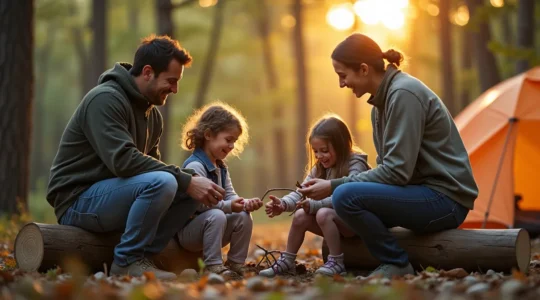
How to Measure the “Return on Emotion” of a Family Camping Trip?
The true value of a family camping trip isn’t found in perfect photos, but in the measurable growth of family bonds and resilience. Shared challenges and even arguments are not failures, but catalysts for connection and problem-solving. Documenting feelings through…
Read more
How Much Do You Really Save by Booking Your Summer Holiday in January?
Booking a summer holiday in January yields a quantifiable Return on Investment (ROI) that goes far beyond simple discounts, averaging 15-25% in direct savings. Securing your booking early transforms a preferred pitch or room from a simple choice into a…
Read more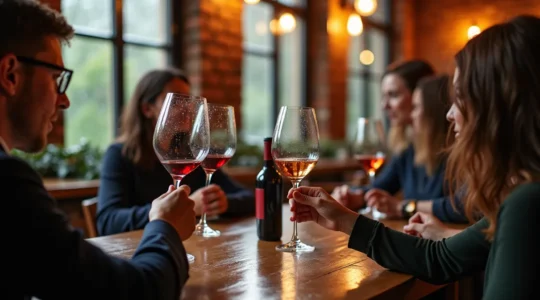
Why a Wine Tasting Workshop Is the Best Rainy Day Activity?
In summary: A rainy day offers a perfect opportunity to master wine tasting as a structured, educational skill. Learning professional protocols, like when to spit and how to manage alcohol intake, empowers you to taste responsibly and safely. You can…
Read more
How to Turn Your Campsite Stay into a Bio-Discovery Trip for Kids?
Your campsite is more than just a patch of land; it’s a bustling miniature ecosystem waiting to be explored. This guide transforms the classic camping trip by turning parents and children into ‘Campsite Scientists.’ Instead of generic nature walks, you’ll…
Read more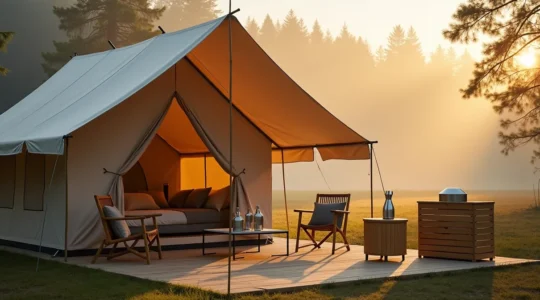
Beyond the Bottle: A Guide to True Zero-Waste Luxury Camping
Contrary to popular belief, achieving a zero-waste lifestyle at a luxury campsite isn’t about packing perfectly. It’s about developing the skills of an ‘eco-detective’ to scrutinize a campsite’s systemic practices—from its recycling partnerships to its water sources. This guide moves…
Read more