Camping Destinations
France offers an extraordinary diversity of camping experiences, from sun-drenched Mediterranean beaches to rugged Atlantic coastlines, from cultural heartlands rich in history to dramatic island wilderness. Each region presents distinct characteristics in terms of climate, landscape, activities and atmosphere that fundamentally shape the camping experience. Understanding these regional differences empowers you to select destinations that align with your preferences, whether you prioritize guaranteed sunshine, cultural immersion, outdoor adventure or peaceful seclusion.
The country’s geographical variety creates camping destinations suited to vastly different traveler profiles. A family seeking warm, predictable weather will find their ideal setting in different locations than active hikers pursuing coastal trails or culture enthusiasts exploring historical regions. This comprehensive overview examines France’s primary camping regions, highlighting what makes each area distinctive and helping you identify which destinations match your camping style and expectations.
French Coastal Camping: Mediterranean vs Atlantic Experiences
The choice between Mediterranean and Atlantic coastlines represents one of the most fundamental decisions for coastal camping in France, as these regions offer dramatically contrasting atmospheres and conditions.
Mediterranean Coast: Sunshine, Warmth and Vibrant Atmosphere
The French Mediterranean coast delivers what many international campers prioritize most: reliable sunshine and warm temperatures throughout the extended season. This region receives approximately 300 days of sunshine annually, creating predictable conditions that eliminate weather-related vacation anxiety. The psychological benefits of guaranteed sunshine during holidays are well-documented, with sunny environments promoting better sleep patterns, increased physical activity and elevated mood states.
However, this appealing climate comes with considerations. The Mediterranean coast experiences significant peak season density, particularly during July and August when campsite occupancy rates frequently reach capacity. Strategic timing—visiting in May, June or September—allows you to enjoy the same excellent weather with substantially fewer crowds and reduced accommodation costs. Additionally, vulnerable populations including young children and elderly campers should prepare for occasional heatwaves, which require specific management strategies like scheduling activities during cooler morning hours and ensuring proper hydration.
Atlantic Coast: Rugged Beauty and Active Pursuits
The Atlantic coastline presents a more energizing, dynamic environment suited to active travelers. This region features dramatic tidal ranges, powerful surf conditions and invigorating coastal landscapes that appeal to surfers, hikers and outdoor enthusiasts. The climate proves cooler and more variable than the Mediterranean, yet the gloomy reputation is largely exaggerated—the Atlantic coast enjoys substantial sunshine during summer months, particularly in southern zones.
Timing proves crucial for Atlantic camping. The shoulder seasons of late spring and early autumn offer the most favorable balance, delivering pleasant temperatures, manageable crowds and lower precipitation levels than the region’s winter months. The Atlantic’s natural environments remain less developed than Mediterranean zones, providing campers seeking authenticity and natural landscapes with exceptional opportunities.
Brittany’s Unique Appeal for Campers
Brittany stands apart as a camping destination that combines distinctive cultural identity, dramatic coastal scenery and authentic regional character. This northwestern region challenges conventional expectations and rewards those who approach it with proper understanding.
Debunking Weather Misconceptions
Brittany suffers from persistent weather myths that discourage potential visitors unnecessarily. While the region does receive more rainfall than southern France, precipitation typically arrives in brief showers rather than prolonged downpours. Summer months deliver comfortable temperatures between 18-24°C (64-75°F) and substantial sunshine hours. The maritime climate actually creates advantages: consistent temperatures without extreme heat, lush green landscapes year-round, and comfortable conditions for active pursuits without the exhaustion caused by Mediterranean summer heat.
North vs South Coast Characteristics
Brittany’s two coastlines offer contrasting experiences. The northern coast features the dramatic Pink Granite Coast, historic Saint-Malo, and more rugged, wild landscapes with cooler water temperatures. The southern coast presents milder conditions, warmer waters, sheltered beaches and a more Mediterranean-influenced atmosphere around areas like the Gulf of Morbihan. This internal diversity within a single region allows campers to select coastal character that matches their preferences.
Balancing Events and Tranquility
Brittany maintains strong cultural traditions, with numerous festivals celebrating Celtic heritage, maritime history and regional gastronomy. Timing your visit to coincide with events like traditional fest-noz gatherings or maritime festivals adds cultural richness, while visiting outside these periods ensures peaceful, authentic experiences in less-crowded settings.
Cultural Camping in Wine Country and the Loire Valley
For campers seeking experiences beyond beaches, France’s cultural regions offer compelling alternatives that blend historical exploration, gastronomic discovery and river-based activities.
Loire Valley: Châteaux, Rivers and Gastronomy
The Loire Valley presents exceptional camping opportunities for culture-focused travelers. This UNESCO World Heritage region combines Renaissance châteaux, cycling routes along riverbanks, and renowned gastronomy. Strategic campsite selection proves essential—positioning yourself centrally allows access to multiple châteaux within 30-minute drives, while riverside locations enable kayaking, swimming and cycling along dedicated paths.
Balancing château visits with wine tastings requires realistic planning. Rather than attempting comprehensive coverage, focus on 2-3 major châteaux complemented by smaller properties and wine estates. This approach prevents cultural exhaustion and allows genuine appreciation of each site’s unique characteristics.
Wine Region Camping: Alsace, Burgundy and Bordeaux
Different wine regions provide varying camping amenities and atmospheric qualities. Alsace offers compact geography with excellent cycling infrastructure and charming villages featuring half-timbered architecture. Burgundy presents rolling landscapes, prestigious wine estates and quieter, more intimate settings. Bordeaux regions combine wine tourism with Atlantic beach access.
Understanding harvest timing (typically late August through October) proves valuable. This period brings heightened activity and cultural richness to wine regions, though some estates reduce tourist activities during intensive harvest work. Visiting just before or after harvest periods often provides optimal conditions.
Island Camping Adventures in Corsica
Corsica represents France’s most challenging yet rewarding camping destination, offering dramatic mountain-meets-sea landscapes, pristine beaches and distinctive cultural identity.
Essential Logistical Considerations
Island camping requires additional planning compared to mainland destinations. Ferry bookings should be secured several months ahead for summer travel, with choices between faster, more expensive services and economical overnight crossings. Vehicle dimensions affect pricing significantly, making compact campervans more economical than larger motorhomes.
Corsican roads demand respect and preparation. Narrow, winding mountain routes with dramatic elevation changes create spectacular scenery but require confident driving, realistic time estimates and tolerance for slower speeds. Budget approximately double the time that pure distance calculations would suggest.
Timing and Regional Selection
Corsica’s Mediterranean climate delivers excellent conditions from May through October, with June and September offering the best balance between weather quality and manageable crowds. The island divides into distinct zones: the wilder, more mountainous west coast; the developed eastern plains; the dramatic northern Cap Corse peninsula; and the sophisticated southern regions around Bonifacio and Porto-Vecchio.
Seasonal Planning and Weather Considerations
Successful camping destination selection extends beyond choosing regions—timing your visit appropriately dramatically impacts experience quality across all French camping areas.
Peak season (July-August) delivers the warmest, driest conditions but also brings maximum crowds, elevated prices and fully-booked facilities. The shoulder seasons (May-June and September-October) increasingly attract experienced campers who recognize these periods offer compelling advantages:
- Reduced costs: campsite rates typically decrease 20-40% outside peak weeks
- Available facilities: popular campsites that require advance booking in summer often have availability
- Comfortable temperatures: avoiding extreme heat makes activities more enjoyable
- Local authenticity: reduced tourist density creates more genuine cultural interactions
Weather variability increases outside summer months, particularly in Atlantic and northern regions, making flexible itineraries and appropriate gear preparation more important. However, many campers find this tradeoff worthwhile for the substantial benefits gained.
Choosing the Right Campsite Features
Beyond regional selection, specific campsite characteristics significantly impact your camping experience and comfort level.
Accommodation Style Considerations
Modern French campsites offer diverse accommodation beyond traditional tent pitches. Mobile homes with covered decks provide sheltered outdoor space valuable during unpredictable weather, allowing outdoor dining and relaxation regardless of conditions. Uncovered deck configurations suit guaranteed-sunshine destinations where shade structures prove more valuable than rain protection.
Specialized Access and Amenities
Specific interests require corresponding campsite features. Mountain enthusiasts should verify campsites offer high-altitude access or proximity to hiking trailheads, as mountain regions require positioning that minimizes access driving. Families prioritize different amenities than couples, with pool facilities, children’s programs and entertainment varying dramatically between campsite categories.
Location relative to attractions demands careful evaluation. Campsites positioned directly in tourist centers provide convenience but sacrifice tranquility and often charge premium rates. Properties located 10-15 minutes from major sights typically offer better value, more peaceful settings and authentic local character while maintaining practical access to attractions.
France’s camping destinations present remarkable diversity, enabling every traveler to find regions matching their priorities. Whether you’re drawn to Mediterranean warmth, Breton culture, Loire Valley châteaux or Corsican wilderness, understanding each region’s distinctive characteristics allows confident destination selection that transforms your camping experience from uncertain experiment into perfectly-matched adventure.
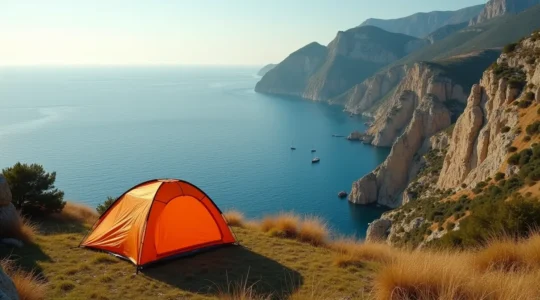
Why Camping in Corsica Is Logistically Harder but Infinitely More Rewarding?
Camping in Corsica isn’t for everyone; its logistical challenges are a deliberate filter that preserves an unparalleled sense of wild freedom. The ferry crossing and narrow mountain roads demand careful planning and a shift in mindset, not just a travel…
Read more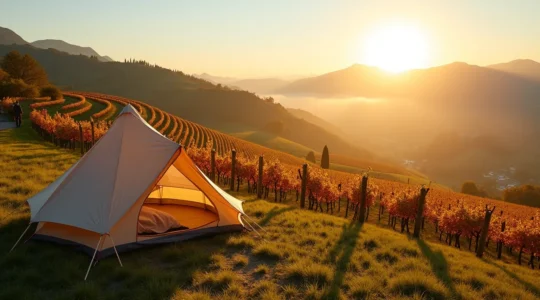
Why Camping in a UNESCO Vineyard Region Is a Bucket List Experience?
Camping in a UNESCO vineyard offers more than scenery; it’s a deep immersion into a living, working cultural heritage. It means experiencing the landscape as a historical record, not just a picturesque backdrop for wine tasting. It requires navigating the…
Read more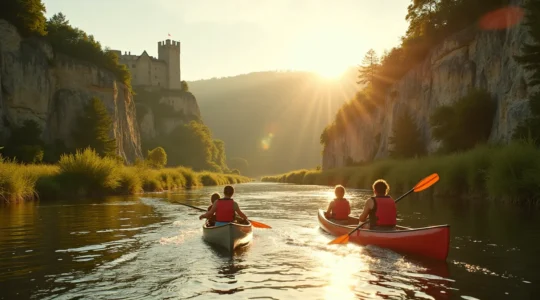
Why the Dordogne Is the Ultimate Playground for History-Loving Families?
The perfect Dordogne family holiday isn’t about seeing everything, but about making the right strategic choices for your crew. Your choice of canoe over kayak directly impacts safety and comfort for young children on the river. Campsite location—valley versus hilltop—determines…
Read more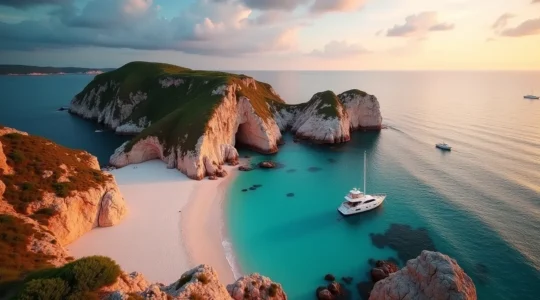
Why the Pink Granite Coast Is the Most Underrated Luxury Destination?
The Pink Granite Coast’s true luxury isn’t its similarity to the Seychelles; it’s the profound, ‘earned beauty’ that rewards engagement with its raw, elemental power. Its dramatic, ever-changing weather is not a flaw but a spectacle, offering a private, shifting…
Read more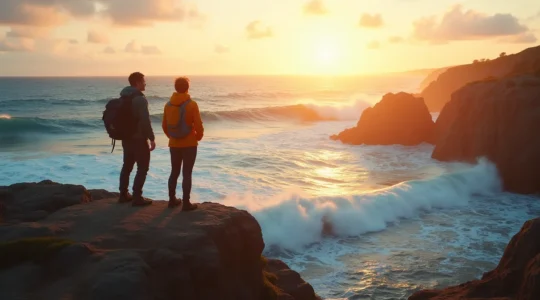
Forget the Calm Mediterranean: Why the Atlantic Coast Delivers a Real Adventure
Contrary to popular belief, the perfect holiday isn’t about guaranteed sun, but about energizing experiences; the Atlantic’s ‘unpredictable’ nature is its greatest asset. It offers “contrast-driven joy” where sunny moments feel more precious and earned. Its dynamic tidal playground constantly…
Read more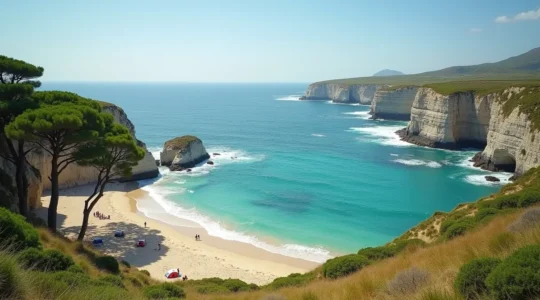
Mediterranean Camping vs Atlantic Coast: Which Region Suits Your Family Best?
The best French coast for your family isn’t about choosing sun over rain; it’s about mastering your holiday’s unique “micro-climate” of weather reliability, crowd density, and budget. The Mediterranean offers guaranteed sun but requires strategic planning to manage heat, crowds,…
Read more