Facilities & Comfort
The landscape of camping accommodation has evolved dramatically, transforming from basic tent pitches to sophisticated holiday experiences that rival traditional hotels. Yet the difference between a memorable family vacation and a disappointing one often hinges on understanding what facilities and comfort standards you can genuinely expect at your chosen campsite. Unlike hotels with standardized star ratings, camping accommodations present a complex mosaic of amenities that vary significantly between sites, accommodation types, and even individual units.
This comprehensive overview examines the core facility categories that define modern camping comfort, from kitchen equipment and sleep quality to pool hygiene and accessibility infrastructure. Whether you’re planning your first mobile home stay or you’re a seasoned camper seeking to make more informed choices, understanding these standards will help you evaluate sites effectively, pack appropriately, and set realistic expectations for your outdoor holiday experience.
Choosing the Right Accommodation Style
Not all camping accommodations are created equal, and your first major decision involves selecting the accommodation type that matches both your comfort requirements and your environment. Think of this choice as selecting the right foundation for your entire holiday experience.
Understanding Camping Styles for Different Environments
Environmental conditions play a crucial role in accommodation suitability. Coastal campsites, particularly those exposed to strong winds, require specific structural features that traditional tent camping simply cannot provide. Mobile homes and chalets designed for windy locations typically feature reinforced anchoring systems, aerodynamic rooflines, and protected outdoor spaces. If you’re planning a seaside holiday, prioritizing wind-resistant accommodation types prevents the constant flapping sounds, structural stress, and outdoor living limitations that poorly suited units experience.
Eco-Design and Natural Temperature Control
Modern eco-designed accommodations offer architectural advantages that extend beyond environmental credentials. Strategic roof overhangs, reflective materials, cross-ventilation layouts, and insulation techniques create natural temperature regulation that reduces reliance on air conditioning. For summer camping, these features translate to cooler midday temperatures (often 3-5 degrees lower than standard units) and improved nighttime comfort. When evaluating accommodations, ask specifically about insulation materials, window placement for airflow, and shading features.
Kitchen Facilities and Self-Catering Success
The kitchen represents one of the most significant variables in camping comfort, particularly for families staying a week or longer. Understanding what’s genuinely provided versus what you need to bring prevents frustrating surprises and enables effective meal planning that keeps your holiday budget under control.
What’s Provided vs. What to Bring
Most mobile home kitchens include fundamental appliances (refrigerator, stovetop, sometimes microwave) and basic cookware, but the definition of “basic” varies dramatically. Essential items frequently not provided include:
- Cooking oil, salt, pepper, and basic seasonings
- Dish soap, sponges, and cleaning cloths
- Coffee filters, tea towels, and food storage containers
- Sharp knives and specialized utensils (vegetable peelers, can openers)
- Sufficient glassware for larger families
Creating a standard “camping kitchen box” that you bring annually saves both money and frustration compared to purchasing these items new each trip.
Comparing Kitchen Amenities Across Ranges
Premium mobile home ranges distinguish themselves primarily through kitchen quality and convenience. High-end units typically offer full-size refrigerators with separate freezers, dishwashers, multi-burner gas stoves, comprehensive cookware sets, and adequate counter space for meal preparation. Budget ranges might provide compact refrigerators, two-burner electric hotplates, and minimal counter area. The budget control advantage of premium kitchens becomes apparent over week-long stays: families cooking most meals can easily save €200-300 compared to dining out, while the convenience factor significantly reduces holiday stress.
Managing Leftovers and Storage
Refrigerator size directly impacts your ability to manage food waste and shopping frequency. Compact units (common in standard ranges) require more frequent shopping trips and careful planning. Invest in collapsible food storage containers that maximize limited refrigerator space, and plan meals that intentionally use previous nights’ leftovers as lunch components.
Outdoor Living Spaces and Decking
The deck or terrace functions as an extension of your living space, often hosting breakfast, afternoon relaxation, and evening meals. Yet most campers overlook strategic considerations that dramatically impact usability and comfort.
Choosing the Right Deck Orientation
Deck orientation relative to sun exposure follows your personal preferences but demands conscious evaluation. East-facing decks receive morning sun (ideal for breakfast outdoors) but provide afternoon shade. West-facing decks offer shade during hot midday hours but can become uncomfortably hot in late afternoon. South-facing decks (in the Northern Hemisphere) maximize sun exposure throughout the day. When booking, request specific orientation information based on your family’s typical daily rhythm and heat tolerance.
Maintaining Comfort and Cleanliness
Outdoor furniture quality varies significantly, with budget accommodations sometimes providing weathered plastic chairs that crack or become unstable. Inspect deck furniture upon arrival and request replacements for damaged items immediately. Tree resin presents a specific challenge at wooded campsites, potentially damaging vehicles, outdoor furniture, and clothing. Park away from directly under pine or fir trees when possible, and keep resin remover (rubbing alcohol or specialized products) readily available for quick treatment before stains set.
Sleep Quality: Bringing Hotel Standards to Camping
Sleep quality fundamentally affects holiday enjoyment, yet it’s frequently compromised in camping accommodations. Understanding what “hotel-grade” specifications actually mean helps you evaluate whether premium accommodation costs justify the comfort gain.
Genuine hotel-quality sleep in camping contexts requires three elements: proper mattress support (pocket spring or high-density foam, minimum 16cm thickness), quality bedding materials (not thin synthetic sheets), and effective bedroom climate control. Standard mobile homes often provide basic foam mattresses (10-12cm) that offer insufficient support for adults, leading to back discomfort after several nights.
Premium ranges increasingly advertise “hotel-grade” sleeping arrangements, but verify specifics: mattress type and thickness, pillow quality (not just decorative cushions), and whether bedding is cotton or synthetic. The difference becomes particularly pronounced for couples and families staying seven nights or longer, where accumulated sleep deficit can significantly impact mood and energy levels throughout the holiday.
Pool Facilities: The Heart of Family Camping
For most families, the pool complex serves as the primary daytime activity hub and often represents the deciding factor in campsite selection. However, pool facilities involve multiple considerations beyond simple size and aesthetics.
Hygiene and Safety Protocols
Pool hygiene standards in many European countries, particularly France, enforce strict regulations that visitors should understand. These typically include mandatory swim cap requirements for children, prohibition of board shorts (tight-fitting swimwear only), obligatory pre-swim showers, and footbaths at pool entrances. These rules, while sometimes frustrating for unprepared families, serve legitimate hygiene purposes in high-use facilities. Check specific site regulations before arrival to avoid purchasing necessary items (swim caps, appropriate swimwear) at inflated campsite shop prices.
Navigating Peak Times and Sunbed Etiquette
The infamous “sunbed war” – guests reserving loungers at dawn with towels but not actually using them for hours – creates genuine frustration at busy campsites. Peak pool congestion typically occurs between 11:00-16:00 during summer high season. Families with young children often find early morning sessions (9:00-11:00) or late afternoon periods (17:00-19:00) provide better experiences with less crowding, shorter queues for slides, and more available seating.
Indoor vs. Outdoor Complexes
Indoor pool facilities offer weather-independent swimming and extended seasonal use, while outdoor complexes provide sun exposure and typically larger water areas. Climate considerations should guide this choice: northern locations or shoulder-season stays benefit significantly from covered pools, while Mediterranean summer holidays rarely require indoor facilities. However, indoor complexes often feature superior water heating, making early morning swims more comfortable regardless of location.
Sanitation, Hygiene and Accessibility Standards
Bathroom and sanitation facilities represent non-negotiable comfort requirements, yet quality varies dramatically across accommodation types and campsite standards. Understanding what to evaluate helps you avoid situations that compromise basic comfort.
Cleanliness Standards and Frequency
For rental accommodations like mobile homes, cleanliness depends on turnover cleaning between guests. Reputable sites perform thorough cleaning with standardized checklists covering bathrooms, kitchens, and living areas. However, quality control varies. Upon arrival, immediately inspect bathroom facilities, kitchen cleanliness, and linen quality. Document any issues with photographs and report to reception within the first two hours – this establishes accountability and typically ensures prompt remediation.
Accessibility Requirements and Standards
Accessibility standards (referenced as PRM – Persons with Reduced Mobility in European contexts) mandate specific features including wheelchair-accessible entrances, adapted bathroom layouts with grab rails and roll-in showers, and sufficient maneuvering space. However, the term “accessible” sometimes applies to units with minimal adaptations (just ramp access) rather than comprehensive accessibility. Families requiring genuine accessibility should request detailed specifications including bathroom layout diagrams, door widths, and bed heights before booking.
Evaluating Linen and Bathroom Amenities
Linen and towel quality varies from thin, worn materials to comfortable hotel-standard textiles. Premium accommodations increasingly include linen in base pricing with good quality standards, while budget options either charge separately or provide basic quality. Bathroom situations range from compact shower rooms to full bathrooms with bathtubs – crucial information for families with young children who require bathing facilities rather than just showers.
Modern Connectivity and Wellness Amenities
Technology connectivity and private wellness features increasingly define premium camping experiences, though their actual quality often falls short of marketing promises.
WiFi availability doesn’t guarantee usable connectivity. Many campsites offer WiFi that becomes severely congested during peak evening hours (19:00-22:00), limiting streaming or video calls. If reliable connectivity matters for your stay, investigate whether accommodations include dedicated WiFi units rather than shared campsite networks, and check user reviews specifically mentioning connectivity experiences.
Private wellness amenities like hot tubs transform the camping experience but require understanding maintenance responsibilities and operational differences. Wood-fired hot tubs demand 2-4 hours heating time and active fire management, creating a hands-on experience some find enjoyable while others consider burdensome. Electric systems offer convenience with simple temperature control but lack the atmospheric appeal of wood-fired alternatives. Both require regular water quality monitoring and maintenance attention throughout your stay.
Practical Considerations for a Smooth Stay
Beyond major facility categories, several practical elements significantly impact your overall comfort and experience quality.
Noise insulation varies dramatically between accommodation types and even individual unit placement. Mobile homes with shared walls offer minimal sound insulation compared to detached chalets. Families with young children or sensitive sleepers should prioritize detached units and locations away from entertainment venues, pool areas, and main roadways through the campsite.
Check-in timing strategy affects your entire arrival experience. Peak arrival times (typically 15:00-17:00 on Saturday during high season) create long queues, while arriving after 18:00 often means minimal staff and potential complications if issues arise. The optimal window usually falls around 14:00-15:00 or after 19:00 for those wanting minimal contact processing.
Recycling facilities at modern campsites range from comprehensive separation systems to minimal provision. Genuine recycling infrastructure includes clearly marked, regularly serviced bins for glass, plastic, paper, and organic waste. However, some sites display recycling bins that ultimately combine into general waste. This distinction matters increasingly to environmentally conscious campers seeking to maintain sustainable practices during holidays.
Understanding the ordering system for additional services (grocery delivery, restaurant reservations, activity bookings) prevents frustration and ensures availability. Many popular campsites require advance booking for premium services, sometimes weeks before arrival. Review the campsite’s booking platform or contact reception before your stay to understand lead times for services you plan to use.
The facilities and comfort standards at modern campsites span an enormous spectrum, from basic functionality to genuine luxury. By understanding what to evaluate in each category – from kitchen equipment and deck orientation to pool hygiene protocols and accessibility features – you can make informed choices that align your accommodation selection with your actual priorities and budget. The key lies not in seeking the highest standards across all categories, but rather in identifying which facility aspects genuinely matter for your specific family dynamics, then ensuring those particular elements meet your requirements.
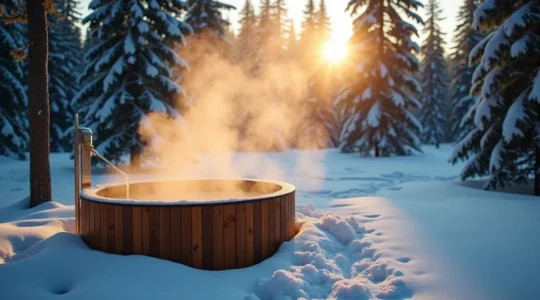
Why a Private Nordic Bath Is the Ultimate Winter Camping Amenity
The ultimate luxury of a private Nordic bath isn’t just the warmth; it’s the profound physiological reset and sensory immersion that a standard jetted tub simply cannot provide. It transforms a simple soak into a silent, wood-fired primal ritual that…
Read more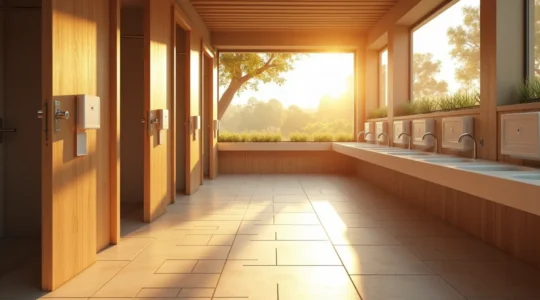
Why the Quality of Sanitation Blocks Defines the Campsite Experience?
The common belief is that campsite hygiene is a matter of luck; the reality is that it’s a verifiable science based on a strict inspection protocol. Surface cleanliness is a deceptive metric; true quality lies in maintenance schedules, material integrity,…
Read more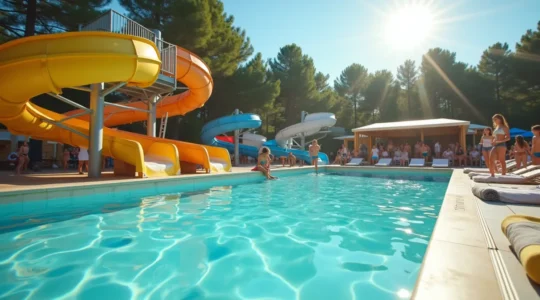
Why Is the Pool the #1 Dealbreaker for Teens on a French Campsite?
Contrary to popular belief, a happy teenager on a French campsite isn’t about the number of waterslides; it’s about successfully navigating the pool’s complex social ecosystem. Strict swimwear rules are less about fashion and more about a teen’s first test…
Read more
Can You Really Fix Back Pain While Sleeping in a Campsite Mobile Home?
Ending campsite back pain is less about finding a perfect mattress and more about systematically engineering your sleep environment for spinal neutrality. Perform a rapid, hands-on assessment of any rental mattress to check for density and support. Utilise a multi-pillow…
Read more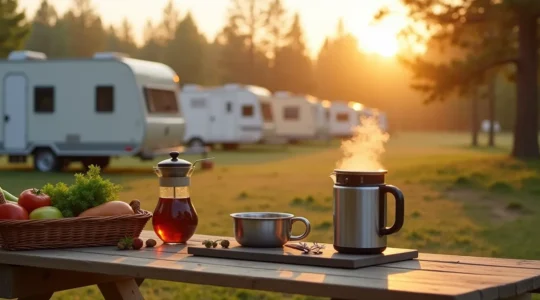
How a Fully Equipped Kitchen Can Save You €500 on Your French Holiday
Hitting your €500 holiday savings goal isn’t about luck; it’s a direct result of treating your rental kitchen as a strategic tool rather than a simple amenity. Adopting a “chef’s mindset” of planning and efficiency allows you to overcome the…
Read more