Gastronomic Experiences
Camping in France no longer means sacrificing culinary pleasure. The intersection of mobile accommodation and haute cuisine has created a unique opportunity: experiencing world-renowned gastronomy while maintaining the freedom and affordability of camping life. From Bordeaux vineyards to Brittany oyster beds, from Provence markets to Périgord duck farms, camping positions travelers at the heart of France’s most celebrated food regions without the premium price tag of traditional hotels.
This marriage of casual outdoor living and serious gastronomy might seem contradictory, yet it represents one of camping’s most undervalued advantages. You wake up in a mobile home surrounded by the very vineyards, farms, and coastlines that supply France’s finest restaurants. The challenge lies not in accessing these experiences, but in navigating them authentically—distinguishing artisanal quality from industrial production, fair pricing from tourist inflation, and genuine regional culture from manufactured attractions designed to extract maximum revenue from visitors.
Wine Tourism and Camping: An Unexpected Synergy
France’s prestigious wine regions—Champagne, Burgundy, Bordeaux, Loire Valley, Alsace—have traditionally catered to affluent oenotourists staying in châteaux and boutique hotels. Yet strategically located campsites now offer direct access to these same appellations at a fraction of the cost, democratizing what was once an exclusive experience.
Accessing Premium Wine Regions From Campsites
The key is selecting campsites within cycling distance of smaller, family-operated domains rather than the massive commercial operations clustered near highway exits. In Burgundy’s Côte de Nuits, for example, several campsites sit within 5 kilometers of prestigious villages like Vosne-Romanée and Nuits-Saint-Georges. These smaller producers often welcome walk-in visitors during weekday afternoons, though calling ahead demonstrates respect for their working schedule.
The campsite advantage becomes evident during harvest season (late August through October). Many domains appreciate extra hands for a few hours of picking in exchange for lunch and a private tasting—an impossibility for hotel guests on rigid schedules. This immersive approach transforms wine from a product into a complete cultural experience.
Family-Friendly Vineyard Visits
Not all wine tourism suits families with children. Look for domains advertising educational visits that include vineyard walks, barrel room tours, and explanations of the viticultural calendar. Some Loire Valley estates maintain picnic areas where families can lunch among the vines after purchasing a bottle. The Alsace Wine Route particularly excels at family accessibility, with many domains offering grape juice tastings for children and outdoor play areas.
Avoid domains that describe themselves as “exclusive” or require advance reservations weeks in advance—these cater to serious collectors and create uncomfortable atmospheres for casual enthusiasts. The best family experiences come from working farms where winemaking is a livelihood, not a lifestyle brand.
Practical Wine Considerations for Campers
Storing fine wine in camping conditions requires awareness. Temperatures inside mobile homes can exceed 30°C (86°F) during summer afternoons—hostile to wine quality. Store purchased bottles in coolers with ice packs, or ask campsite reception if they can refrigerate purchases until departure. When transporting wine home, place bottles in the vehicle’s coolest area (typically the floor behind front seats, never in the trunk during summer).
Decanting without proper equipment challenges campers, but pouring wine into a clean water pitcher 30 minutes before serving achieves basic aeration. For older wines with sediment, keep bottles upright for 24 hours before opening, then pour carefully, stopping when sediment approaches the neck.
Regional Seafood and Coastal Gastronomy
France’s coastline—from Normandy’s chalk cliffs to the Mediterranean’s rocky calanques—offers profoundly different seafood traditions. Understanding regional specialties transforms generic “beach camping” into targeted gastronomic exploration.
Coastal Seafood Specialties Worth Seeking
Brittany’s plateaux de fruits de mer (seafood platters) represent the region’s identity: oysters, clams, whelks, spider crab, langoustines, and shrimp arranged on crushed ice with shallot vinegar and rye bread. The experience is inseparable from its coastal setting—the same platter served inland loses cultural resonance. Look for restaurants with visible holding tanks and menus stating “our oysters” rather than generic “fresh oysters,” indicating direct sourcing from specific beds.
The Mediterranean focuses on smaller fish: sardines, anchovies, rouget (red mullet). Provençal ports like Cassis and Sanary-sur-Mer maintain morning fish markets where the previous night’s catch is sold directly from boats. Arriving by 8:00 AM ensures the best selection. These smaller fish suit camping life perfectly—they grill quickly on campsite barbecues and cost considerably less than restaurant preparations.
Safe Consumption and Pairing Principles
Shellfish safety in camping contexts demands attention. Raw oysters and clams must be consumed within hours of purchase and kept continuously cold. The traditional rule of eating shellfish only in months containing “R” (September through April) reflects pre-refrigeration caution, but summer shellfish does carry higher bacterial risk. If your campsite lacks reliable refrigeration, opt for cooked preparations: moules marinières (steamed mussels), grilled prawns, or fish soup.
Wine pairing follows a simple principle: high acidity, minimal oak. Muscadet in Brittany, Picpoul de Pinet in Languedoc, and Provence rosé all share the crisp, saline qualities that complement seafood without overwhelming delicate flavors. Avoid heavily oaked Chardonnay or tannic reds, which create metallic tastes when combined with shellfish.
Budgeting for Quality
Seafood represents one of camping’s few significant food expenses. A plateau for two at a coastal restaurant typically costs €40-60, while the same quantity purchased from morning markets runs €25-35. The economic advantage of camping becomes clear: buying market seafood and enjoying it at your campsite with a €10 bottle of local white wine delivers an experience rivaling €100+ restaurant meals.
However, timing matters. Seafood prices peak during July and August when demand surges. Camping in June or September can reduce costs by 30-40% while offering better weather for outdoor dining and less crowded markets.
Understanding French Quality Labels: AOC, AOP, and IGP
France’s complex system of geographical indications protects regional products from imitation, but also creates confusion for foreign visitors unfamiliar with the hierarchy and terminology.
The Protection System Explained
AOC (Appellation d’Origine Contrôlée) was France’s original system, now largely replaced by AOP (Appellation d’Origine Protégée), the European Union equivalent. Both indicate that a product originates from a specific region and follows traditional production methods. Comté cheese, for example, must use milk from Montbéliarde or French Simmental cows grazing in defined Jura mountain pastures.
IGP (Indication Géographique Protégée) offers looser protection, requiring regional connection but permitting more production flexibility. These distinctions matter because counterfeit regional products proliferate in tourist areas. “Herbes de Provence” sold at highway rest stops often contains oregano from Turkey and thyme from Morocco—legally permissible because “Herbes de Provence” isn’t a protected designation, unlike “Miel de Provence IGP” (Provence honey), which must originate from regional apiaries.
Avoiding Counterfeits
Genuine AOP/AOC products display official logos: a red-and-yellow circular seal. But visual verification alone doesn’t suffice. Purchase protected products from their regions of origin when possible. Buying Roquefort cheese in Aveyron markets or Camembert de Normandie AOP from Norman farms virtually guarantees authenticity, while purchasing the same products from Parisian supermarkets invites greater risk of industrial substitutes.
Price provides another indicator. AOP products carry premium costs reflecting traditional methods. Suspiciously cheap “Brie de Meaux” likely comes from industrial creameries using standardized processes that, while producing edible cheese, lack the complex flavors of authentic AOP production.
Seasonal Timing for Protected Products
Many protected foods follow seasonal rhythms. AOP oysters reach peak quality in autumn and winter when colder water temperatures produce firmer, more flavorful meat. Mountain cheeses like Beaufort achieve optimal character when made from summer milk, when cows graze high-altitude pastures rich with diverse flora. Understanding these cycles allows campers to time visits for products at their seasonal peak.
The Art of Terroir: Connecting Land to Flavor
Terroir—the complete environmental context shaping food and wine—represents French gastronomy’s foundational concept. For campers, understanding terroir transforms eating from fuel consumption into cultural education.
How Soil Types Influence Taste
The chalky soils of Champagne produce wines with distinctive minerality and fine bubbles. Burgundy’s limestone slopes create elegant Pinot Noir, while Bordeaux’s gravelly Left Bank yields structured Cabernet Sauvignon. These aren’t marketing claims but measurable chemical realities: soil composition affects vine root development, water drainage, and mineral uptake, all influencing grape chemistry.
The same principle applies beyond wine. Pré-salé lamb from Normandy and Brittany grazes salt marshes, where tidal flooding deposits marine minerals. This creates distinctly seasoned meat requiring minimal cooking intervention—the landscape itself provides seasoning.
Climate’s Role in Regional Cuisine
France’s dramatic climate variation—from Alsace’s continental cold to Mediterranean heat—explains regional culinary differences more effectively than cultural preference alone. Northern regions developed rich, heavy dishes (choucroute, cassoulet, duck confit) providing calories against cold winters. Mediterranean cooking emphasizes vegetables, olive oil, and lighter proteins suited to hot climates where heavy foods feel oppressive.
For summer campers, this creates a practical challenge: craving cassoulet in July heat demonstrates cultural enthusiasm but poor judgment. Respect seasonal and climatic appropriateness by consuming heavy regional dishes during cooler months or at evening meals when temperatures moderate.
Working With Strong Regional Herbs
Provence’s garrigue landscape—thyme, rosemary, savory, fennel—produces intensely aromatic herbs compared to supermarket equivalents. When cooking with fresh regional herbs, reduce quantities by half compared to recipes developed for milder commercial herbs. A handful of wild Provençal thyme can overpower a dish where the same quantity of greenhouse-grown thyme would barely register.
If flavors prove too intense, fat provides balance. Adding cream, butter, or olive oil mellows strong herbal notes while preserving aromatic complexity.
Markets, Sourcing and Authenticity
French markets remain the most reliable source of authentic regional products, but they also attract resellers purchasing wholesale and marking up prices for tourists unfamiliar with fair market rates.
Identifying Genuine Producers
Legitimate farmer-producers display specific indicators: handwritten price signs, limited product variety (they sell only what they produce), soil under fingernails, and ability to discuss production methods in detail. A vendor offering tomatoes, peaches, olives, honey, and lavender is statistically unlikely to produce all these items—they’re reselling.
Engage vendors in conversation. Ask which variety of tomato they recommend for salad versus cooking, or which honey reflects the current season’s nectar sources. Producers answer enthusiastically; resellers deflect or provide generic responses.
Understanding Organic Certification
France’s official organic certification uses the AB (Agriculture Biologique) logo—a green-and-white leaf design. This indicates compliance with EU organic regulations: no synthetic pesticides or fertilizers, regulated animal welfare standards, and annual inspections.
However, some small farmers practice organic methods without certification due to the program’s administrative costs and paperwork burden. These producers might display signs like “culture raisonnée” (reasoned cultivation) or “sans pesticides” (without pesticides). While not officially certified, such claims from direct producers at farmers markets often prove reliable. Use judgment: consistent market presence over multiple weeks suggests legitimate farming rather than opportunistic reselling.
Planning Menus Around Market Availability
The camping advantage allows menu flexibility impossible in restaurant dining. Visit markets in the morning, purchase whatever appears freshest and most abundant (indicating peak season and low prices), then build meals around these ingredients rather than shopping for predetermined recipes.
This approach requires culinary confidence but rewards with superior ingredients at lower costs. In June, when asparagus floods Provençal markets, plan multiple meals featuring asparagus in different preparations. When August brings tomato abundance, focus on tomato-centric dishes. This seasonal opportunism mirrors how French home cooks actually shop, contrasting with northern European and North American habits of recipe-first shopping.
Bistronomic Dining: Bridging Casual and Refined
Bistronomie—the fusion of bistro casualness with gastronomic ambition—emerged in the early 2000s when formally trained chefs rejected fine dining’s rigidity while maintaining technical excellence. For campers, bistronomic restaurants offer serious cuisine without dress codes, reservations months in advance, or mortgage-threatening prices.
Defining Bistronomic Characteristics
Genuine bistronomic establishments share specific traits: open kitchens demonstrating transparency, seasonal menus changing weekly or even daily based on market availability, wine lists emphasizing small producers over famous labels, and casual service that explains dishes without condescension.
Price provides the clearest indicator: bistronomic menus typically range €28-45 for three courses. Above €50 suggests drift toward traditional fine dining; below €25 indicates standard bistro fare rather than gastronomic ambition.
Booking Strategies for High Season
Popular bistronomic restaurants in tourist regions book weeks ahead during July and August. However, they often hold back several tables for walk-ins and local regulars. Call the morning of your desired evening—cancellations and no-shows create availability. Alternatively, request the first seating (typically 19:00-19:30) or last (21:30-22:00), which experience lower demand than prime 20:00 slots.
Some establishments don’t accept reservations at all, operating on first-come basis. Arrive 15-20 minutes before service begins to secure a table.
Evaluating Wine Lists
Bistronomic wine lists should feature regional producers with specific village appellations rather than generic regional designations. A Burgundy list showing “Gevrey-Chambertin, Domaine Rossignol-Trapet” demonstrates more care than “Bourgogne Rouge.” Reasonable markups (2-2.5 times retail) versus exploitative pricing (4-5 times) separate establishments respecting customers from those exploiting tourist ignorance.
Don’t hesitate to order by-the-glass options or half-bottles, especially when dining alone or in pairs. Quality bistronomic restaurants offer 6-8 glass selections spanning styles and price points.
Campsite Dining: Managing Expectations
On-site food service varies dramatically between campsites, from basic snack bars serving frozen food to legitimate restaurants employing trained chefs. Understanding the distinction prevents disappointment.
Snack Bar Versus Restaurant
Campsite snack bars typically offer pre-prepared foods requiring minimal cooking: pizza, hamburgers, frites, paninis. These serve convenience when you’re exhausted from beach days or simply want to avoid cooking. Expecting culinary excellence here guarantees disappointment.
Campsite restaurants, by contrast, operate as independent businesses that happen to be located within camping grounds. They maintain separate kitchens, employ professional staff, and serve local clientele beyond campsite guests. These can deliver genuinely good meals, though quality varies enormously. Check reviews specifically mentioning the restaurant rather than campsite overall ratings.
Evaluating Family Suitability
Children’s menus reveal establishment priorities. The dreaded “steak haché-frites” (hamburger patty and chips) or “nuggets-frites” signal minimal effort. Better establishments offer reduced-portion adult dishes or simple preparations of quality ingredients: grilled fish, pasta with seasonal vegetables, or roasted chicken.
Outdoor seating and relaxed service attitudes matter more for family dining than Michelin-starred technique. A restaurant tolerating reasonable child activity while serving honest, well-prepared regional food often provides better family experiences than hushed establishments serving technically superior but child-unfriendly cuisine.
The French Breakfast Ritual
French breakfast culture—coffee, bread, butter, jam—appears simple but reveals significant quality variation. Camping amplifies both the best and worst possibilities.
Identifying Artisanal Versus Industrial Bread
Legitimate artisanal bakeries (boulangeries artisanales) display official signage confirming they produce bread on-site from raw ingredients. Industrial bakeries receive frozen dough, proof it, and bake—technically legal but producing inferior results.
Visual and textural cues reveal quality: artisanal baguettes have irregular holes in the crumb structure, thick crispy crusts that shatter when pressed, and pronounced wheaty aroma. Industrial versions show uniform tiny holes, thin pale crusts, and mild scent. Authentic baguettes stale within hours, requiring daily purchases—inconvenient but confirming genuine craftsmanship versus preservative-laden industrial products staying “fresh” for days.
Regional Pastry Varieties Worth Discovering
Each region maintains distinct pastry traditions beyond Paris-associated croissants and pain au chocolat. Brittany’s kouign-amann—layers of butter, sugar, and dough caramelized during baking—delivers intense richness. Alsace’s kugelhopf, a yeasted cake studded with raisins and almonds, appears at breakfast tables. Provence’s navette, flavored with orange blossom, accompanies morning coffee.
Seeking these regional variations demonstrates cultural curiosity while supporting local traditions endangered by standardized industrial production. Most artisanal bakeries gladly explain regional specialties and their historical significance.
Avoiding Tourist Traps and Inflated Pricing
Tourist-heavy camping regions attract predatory businesses exploiting visitor unfamiliarity with fair prices and authentic quality. Awareness provides protection.
Restaurant Price Signals
Restaurants displaying menus in multiple languages, featuring photographs of dishes, or employing aggressive sidewalk promoters overwhelmingly target tourists rather than serving quality food. These indicators correlate strongly with inflated prices and mediocre execution.
Conversely, handwritten menus in French only, posted outside without fanfare, suggest local clientele—restaurateurs can’t survive on tourist traffic alone in these establishments, requiring local approval through consistent quality and fair pricing.
Tasting Room Tactics
Wine tasting near major campsites often involves high-pressure sales tactics: “exclusive” discounts requiring immediate purchase, claims of investment potential, or implications that refusing to buy after tasting demonstrates rudeness. These operations prioritize sales volume over wine quality or customer education.
Legitimate domains never pressure purchases. They educate visitors about their wines, answer questions thoroughly, and accept gracious departures without buying. If you feel uncomfortable or pressured, leave immediately—dozens of other producers would welcome your visit.
Accessing Authentic Reservations
Certain restaurants, wine domains, and food experiences genuinely require advance reservations due to limited capacity rather than manufactured exclusivity. For these, camping offers an advantage: campsite owners and regional tourism offices can often facilitate bookings impossible for independent travelers to secure.
Build relationships with campsite management. Explain your specific interests—whether bistronomic dining, small wine producers, or artisanal cheese makers—and request recommendations and introduction assistance. Long-established campsites maintain networks throughout their regions, providing access that Googling “best restaurants” never achieves.
Regional Specialties in Practice: From Theory to Plate
Understanding regional dishes intellectually differs from successfully preparing or enjoying them in camping contexts. Practical considerations matter.
Cooking Duck Confit in Mobile Homes
Périgord’s iconic confit de canard—duck legs slowly cooked and preserved in their own fat—seems challenging for camping preparation but actually suits mobile home cooking perfectly. Commercially produced confit arrives pre-cooked in jars or vacuum packs, requiring only gentle reheating.
Place confit pieces in a pan over low heat, allowing the preserved fat to melt and crisp the skin—approximately 15-20 minutes. The rendered fat can be saved for cooking potatoes (the traditional accompaniment), creating a complete duck-fat ecosystem that transforms simple ingredients into restaurant-quality results.
Managing Heavy Summer Cuisine
Many celebrated regional dishes—cassoulet, pot-au-feu, tartiflette—evolved for cold-weather fuel needs. Consuming them during summer camping requires strategic timing: plan these meals for cooler evenings after mountain hiking or rainy days when temperatures moderate. Accompany heavy dishes with lighter sides: green salads, raw vegetables, or fruit rather than additional starches.
Alternatively, seek summer-appropriate regional alternatives. Provence’s ratatouille, Niçoise salad, or soupe au pistou suit hot weather while maintaining authentic regional character.
Island and Coastal Specialties
Camping on French islands—Île de Ré, Belle-Île, Porquerolles, Corsica—offers access to hyper-local specialties impossible to experience elsewhere. Corsican charcuterie, made from free-ranging pigs feeding on chestnuts and acorns, develops flavors unachievable in mainland production. Île de Ré’s salt-marsh lamb and potatoes benefit from the same maritime terroir as Normandy’s pré-salé but with Atlantic rather than Channel character.
These specialties command premium prices reflecting limited production and strong local demand. Budget accordingly, treating them as occasional experiences rather than daily staples. A single meal featuring authentic island products often provides more memorable value than multiple mediocre tourist-oriented meals.
Camping’s greatest gastronomic advantage lies in proximity and time. You’re not rushing between scheduled activities or confined to hotel dining rooms. You can linger at morning markets, take impromptu detours to hilltop cheese makers, or spend an entire afternoon at a single winery without anxiety about maximizing limited vacation time. This relaxed pace allows the deeper cultural immersion that transforms meals from fuel into memory, and eating from necessity into education.
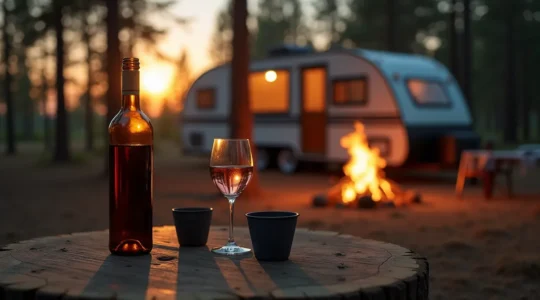
Is It Worth Buying Grand Cru Wine to Drink in a Plastic Cup?
Drinking a Grand Cru from a plastic cup isn’t the sin; the real crime is letting it get ruined by temperature shock and travel trauma before it’s even opened. Temperature stability and a post-travel “recovery” period are far more critical…
Read more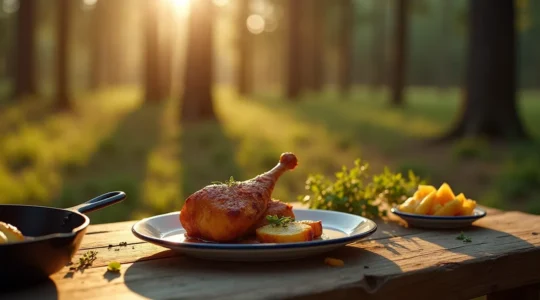
Why Duck Confit Is the Ultimate Comfort Food for Campers?
Duck confit is the ultimate camper’s meal not just for its taste, but because it’s a complete culinary system born from the ancient wisdom of preservation. It provides high-energy, shelf-stable protein and a versatile, flavorful cooking fat. Its all-season nature…
Read more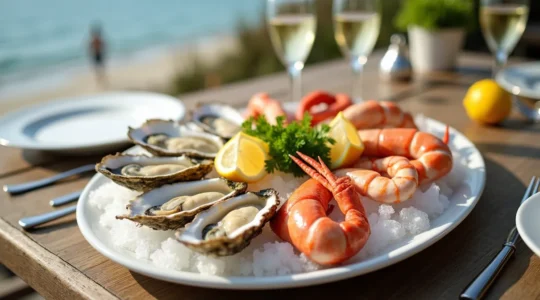
How to Eat a Seafood Platter Like a Local, Not a Tourist
In summary: Confidence comes from understanding the “chef’s logic,” not just memorizing rules. Always check oysters for a tightly closed shell, a clean sea smell, and a plump appearance. Use high-acidity white wine like Muscadet to cleanse your palate between…
Read more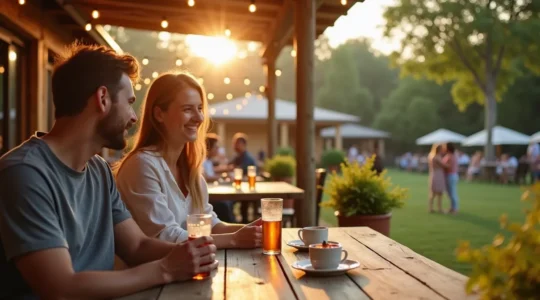
Why the On-Site Restaurant Is a Savior for Exhausted Parents?
The constant pressure to cook “perfect” family meals on vacation is a primary source of parental burnout, but the on-site restaurant can be a strategic tool for reclaiming your holiday. Instead of a last resort, view campsite dining as a…
Read more
Beyond the Tent: Can You Really Find Michelin-Star Quality Food Inside a Campsite?
High-end gastronomy has infiltrated the campsite, but true value is found not in the price tag, but in a critic’s ability to decode the unique dynamics of the experience. Price premiums are driven by remote logistics and manufactured exclusivity (“Captive…
Read more
Why the Village Market Is More Expensive Than the Supermarket but Worth It?
The higher price at a French market isn’t a cost, it’s an investment in a vastly more efficient and valuable food system. Supermarket prices hide massive unseen costs in transport, packaging, and food waste. Market produce offers superior nutrient density…
Read more
How to Train Your Palate to Recognize Genuine Terroir Flavors
In summary: Terroir is a “sense of place” you can learn to taste by deconstructing environmental factors like soil, flora, and climate. Sensory training involves connecting physical elements (like slate soil) to specific flavor profiles (like minerality in wine). Context,…
Read more
Why You Should Never Buy Non-AOC Cheese in French Markets?
Buying non-certified products at a French market is a gamble against a stacked deck of sophisticated fakes and reseller tactics. Official labels like AOP (Appellation d’Origine Protégée) are the only legal guarantee of a product’s origin, ingredients, and traditional production…
Read more
Why the Morning Baguette Run Is the Most Important Ritual of French Camping?
Most campers see the morning bread service as a simple convenience. The truth is far more profound. This daily act is a cultural performance, allowing you to participate in the core tenets of French identity: a reverence for craft, the…
Read more
Loire by Bike: Your Guide to Juggling Châteaux, Wine Tasting, and Responsible Cycling
The dream of cycling through the Loire Valley’s vineyards and châteaux often clashes with the reality of logistics, safety, and limited time. Prioritizing experiences is crucial; you can’t visit a major château and multiple wineries in one day. Responsible wine…
Read more