Luxury Campsites
The camping landscape has evolved dramatically, introducing a segment that challenges traditional notions of outdoor accommodation. Luxury campsites represent a distinctive blend where nature immersion meets upscale comfort, creating experiences that appeal to travelers seeking adventure without sacrificing modern conveniences. This category encompasses everything from eco-lodges nestled in pristine environments to glamping villages offering hotel-like amenities under canvas or wood.
Understanding what truly defines a luxury campsite requires examining multiple dimensions: the physical structures themselves, the amenities provided, the caliber of service offered, and the overall value proposition. Whether you’re considering your first upscale camping experience or evaluating different properties, knowing these fundamental aspects helps you make informed decisions aligned with your expectations and budget.
What Distinguishes Premium Camping Accommodations?
The foundation of any luxury campsite lies in its accommodations, which differ vastly from conventional camping setups. Rather than bringing your own tent and sleeping bag, guests encounter pre-erected structures designed for comfort and aesthetic appeal. These range from safari-style canvas tents with wooden flooring to architecturally distinctive pods, yurts, or even repurposed vintage caravans transformed into boutique spaces.
The structural differences matter significantly for your experience. Traditional glamping tents typically feature canvas exteriors but incorporate solid foundations, proper insulation, and weather-resistant materials. Think of them as hybrid structures that maintain the authentic camping ambiance while eliminating common discomforts like cold ground contact or poor ventilation. Eco-lodges, conversely, represent permanent or semi-permanent constructions built with sustainable materials—often wood, stone, or recycled elements—that blend seamlessly into their natural surroundings while offering superior protection from elements.
Specialized locations add another layer of uniqueness. Some luxury campsites occupy vineyard estates, where guests camp among grapevines and enjoy wine-tasting experiences as part of their stay. These settings require understanding specific access rules, seasonal availability, and whether the property operates as a commercial campsite or a more informal arrangement with the estate owner. Similarly, coastal destinations like the Côte d’Azur offer premium camping with Mediterranean views and proximity to beaches, though they typically command higher prices due to prime real estate positioning.
Amenities That Bridge Camping and Hospitality
What transforms a campsite from standard to luxury often comes down to specific amenities that address comfort pain points. The most significant differentiator involves private versus communal facilities. While budget campsites typically offer shared bathroom blocks, luxury properties frequently provide ensuite options—private bathrooms attached directly to your accommodation unit, complete with hot showers, proper toilets, and sometimes even bathtubs.
Interior Comforts
Inside the accommodation, expect furnishings that rival quality hotels. Real mattresses replace thin sleeping pads, with properties typically following replacement schedules similar to hotels—generally every five to seven years depending on usage intensity. Quality linens, duvets, and multiple pillows come standard. Climate control varies but may include wood stoves, electric heating, or ceiling fans. Lighting extends beyond basic bulbs to include reading lamps, ambient fixtures, and sometimes even chandeliers in ultra-premium options.
Outdoor Living Spaces
The exterior amenities deserve equal attention. Premium campsites recognize that outdoor living space serves as an extension of your accommodation, crucial for both privacy and relaxation. Well-designed properties provide private decks or terraces with quality outdoor furniture—not flimsy plastic chairs but weather-resistant sofas, dining sets, and hammocks. Some include fire pits, outdoor kitchenettes, or even private hot tubs. This dedicated space allows you to enjoy nature while maintaining separation from neighboring units.
Communal Facilities
Beyond individual units, shared amenities distinguish luxury properties:
- Swimming pools with lounging areas (sometimes heated or infinity-edge designs)
- Restaurant and bar facilities offering full-service dining rather than just vending machines
- Wellness spaces including spas, yoga platforms, or massage treatment rooms
- Recreation areas with activities like tennis courts, kayak rentals, or guided nature walks
- Premium communal spaces such as libraries, game rooms, or observation decks
The key question becomes whether these amenities require additional payment or come included. Some luxury campsites adopt an all-inclusive model where your nightly rate covers most facilities, while others charge separately for premium services. Understanding this distinction prevents budget surprises and helps you evaluate true value.
Service Standards and Human Touch
Service levels represent perhaps the most variable aspect across luxury campsites, creating a spectrum from minimal-touch to full-service hospitality. This dimension fundamentally affects your experience and helps explain significant price variations between seemingly similar properties.
Daily Housekeeping and Maintenance
Housekeeping policies range considerably. Some luxury campsites offer daily service similar to hotels—making beds, refreshing linens mid-stay, replenishing toiletries, and tidying accommodations. Others provide cleaning only at checkout, with fresh linens available upon request. The most hands-off properties expect guests to maintain their own spaces, offering cleaning supplies but no regular service. This variation stems from the fundamental tension between camping’s self-sufficient ethos and hotel-style pampering.
On-Site Assistance and Concierge Services
The human assistance element distinguishes truly premium properties. Basic luxury campsites maintain reception desks with limited hours, primarily for check-in/out and emergency situations. Mid-tier options staff these desks throughout operating hours and can arrange local activities or address issues promptly. Top-tier properties employ dedicated guest services teams or concierge staff who proactively enhance your stay—making restaurant reservations, organizing private tours, arranging transportation, or customizing experiences based on your interests.
Understanding the limits of service matters equally. Even premium campsites rarely offer 24-hour room service or round-the-clock reception like five-star hotels. Emergency protocols exist, but expectations should align with the property’s camping heritage rather than urban luxury hotel standards. Staff-to-guest ratios remain lower, meaning responses may take longer during peak periods.
Evaluating Price and Value Proposition
Luxury camping occupies a fascinating position in the accommodation market, typically priced between mid-range hotels and true luxury resorts. Understanding whether a property offers good value requires looking beyond the nightly rate to examine what you actually receive.
The price-to-star ratio concept, borrowed from hotel classification systems, helps frame expectations. A five-star hotel provides certain guaranteed standards: 24-hour service, multiple dining options, spa facilities, and meticulous attention to detail. A luxury campsite, even an exceptional one, operates differently. You’re paying for unique accommodations, natural surroundings, outdoor experiences, and a specific atmosphere rather than comprehensive hotel services. Comparing strictly by amenity count will always favor traditional hotels, which miss the point of why many choose luxury camping.
Consider the value equation more holistically:
- Location uniqueness — Can you access similar natural settings via standard hotels? Properties in national parks, remote coastlines, or private estates offer irreplaceable positioning.
- Experience differentiation — Factor in included activities, special access, or unique features (vineyard settings, wildlife viewing, stargazing conditions).
- Group dynamics — Luxury campsites often provide better value for families or groups, offering multi-room units or interconnected spaces that cost less than multiple hotel rooms.
- Seasonal pricing fluctuations — Rates vary dramatically between shoulder and peak seasons, sometimes by 50-70%, meaning timing significantly affects value.
When analyzing the value proposition versus traditional luxury hotels, recognize you’re choosing different experiences rather than directly comparable products. Hotels excel in consistency, comprehensive services, and urban convenience. Luxury campsites offer immersive natural settings, unique accommodations, and a relaxed atmosphere that appeals to those seeking escape from conventional tourism.
Privacy Considerations in Glamping Villages
Privacy levels warrant careful evaluation, particularly in glamping villages where multiple units cluster together. Unlike dispersed wilderness camping where natural spacing occurs, designed campsite layouts directly impact your sense of seclusion.
Several factors determine privacy effectiveness. Unit spacing represents the most obvious—properties that position accommodations at least 15-20 meters apart with natural screening (trees, shrubs, terrain variations) provide substantially more privacy than tightly packed arrangements. Sound insulation matters especially in canvas structures; while you shouldn’t expect hotel-grade soundproofing, quality glamping tents use double-layer canvas and strategic positioning away from communal areas to minimize disturbances.
Visual privacy deserves attention too. Well-designed sites orient units so entrances and deck areas don’t directly face neighboring accommodations. Strategic landscaping, privacy screens, or natural features create visual separation even when physical distance is limited. Some premium properties dedicate entire zones to “isolation units” for guests prioritizing absolute seclusion, though these command price premiums.
When Sustainability Meets High Comfort
An increasingly important dimension of luxury camping involves the fusion of sustainability and comfort—a balance that defines modern upscale outdoor hospitality. This isn’t about sacrificing amenities for environmental principles but rather intelligently designing systems where both coexist.
Progressive luxury campsites implement sustainability across multiple operational areas. Energy systems often incorporate solar panels, wind generation, or micro-hydro power, reducing grid dependence while maintaining electricity for lighting, refrigeration, and device charging. Water management includes rainwater harvesting, greywater recycling for landscaping, and low-flow fixtures that maintain pressure and comfort while conserving resources. Waste reduction programs establish comprehensive recycling, composting toilets (engineered for odor-free operation), and partnerships with local suppliers to minimize packaging and transportation impacts.
The materials and construction methods chosen for accommodations themselves reflect environmental consciousness. Reclaimed wood, recycled metals, locally sourced stone, and non-toxic finishes create structures with minimal environmental footprints. Some properties achieve impressive feats—structures that generate more energy than they consume, closed-loop water systems, or carbon-negative operations through extensive reforestation programs.
For guests, this sustainability manifests as enhanced authenticity rather than compromise. Falling asleep to solar-powered ambient lighting feels more connected to nature than harsh electric bulbs. Organic, locally sourced restaurant meals often surpass generic hotel fare in quality and flavor. Educational components—guided nature walks explaining local ecosystems, workshops on sustainable practices, or wildlife conservation programs—add meaningful depth to your stay that conventional luxury accommodations rarely provide.
Choosing a luxury campsite ultimately means deciding which elements matter most for your ideal outdoor experience. By understanding the structural options, amenity standards, service levels, pricing dynamics, privacy considerations, and sustainability practices, you can identify properties that align with your specific preferences and create memorable experiences that blend nature immersion with personalized comfort.

How a Multilingual Concierge Can Save Your Holiday During a Medical Emergency?
In a medical crisis in France, a multilingual concierge is more than a convenience; they are your personal crisis coordinator. They use established personal networks to get you access to medical care, bypassing queues and language barriers. They manage all…
Read more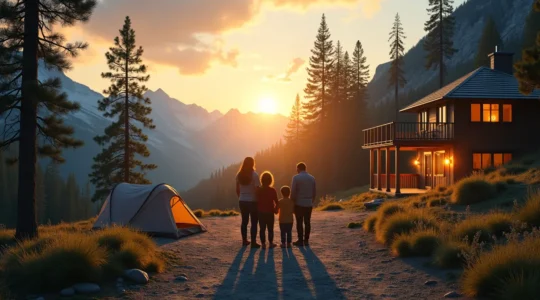
Camping vs. Hotel for a Family of Four: A Financial Planner’s Value Analysis
For a family vacation, the best value isn’t the lowest nightly rate but the highest “amenity parity” and “spatial ROI” for your money. Luxury campsites now match hotels on key comforts like en-suite bathrooms and quality linens while offering vastly…
Read more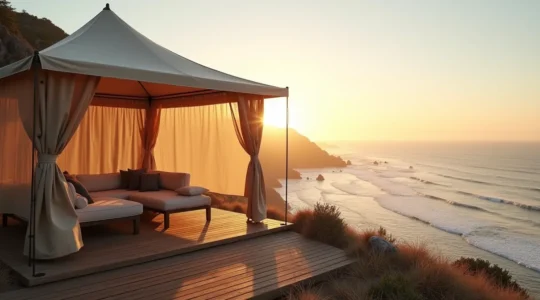
Is the Premium Price of Exclusive Glamping Justified for a 1-Week Stay?
Contrary to the belief that glamping is just a hotel room in a field, its premium price is only justified when it delivers a superior ‘Return on Experience’ that traditional hotels cannot match. True luxury lies in engineered comfort (climate…
Read more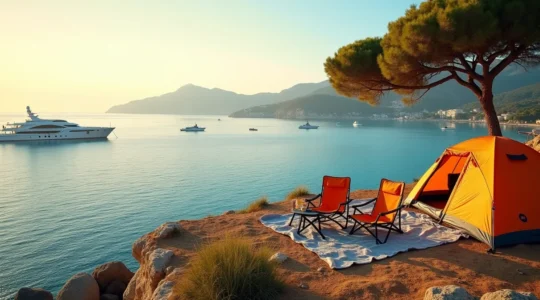
The Riviera Billionaire Lifestyle: An Insider’s Guide for Savvy Campers
Yes, you can access the Riviera’s billionaire lifestyle while camping—the secret isn’t spending more, but hacking access to exclusive experiences. Trade crowded public beaches for secret coves by leveraging coastal paths and the “golden hour” after 6 PM. Swap notorious…
Read more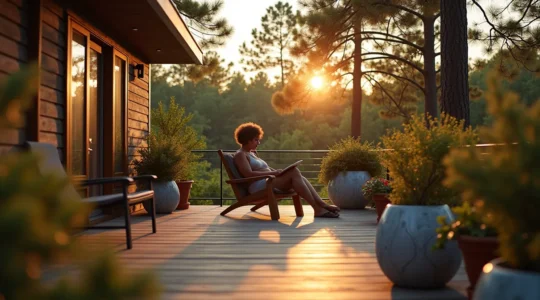
Why a Large Private Deck Is the Most Critical Feature for Introvert Campers?
For an introvert, a large private deck isn’t an upgrade; it’s the essential element that transforms a campsite from a source of social anxiety into a true sanctuary for psychological decompression. It functions as a “transitional space,” creating a crucial…
Read more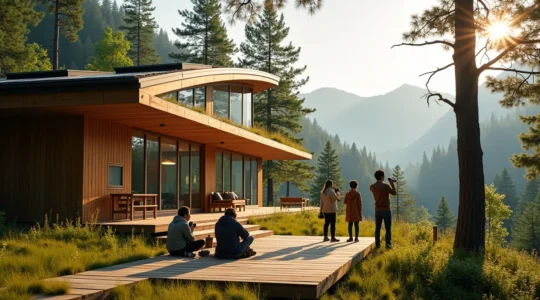
Are Eco-Lodges Worth the Premium Price for Environmentally Conscious Families?
The premium price of an eco-lodge is a direct investment in superior, quantifiable comfort and exclusivity—not merely an environmental surcharge. Solid wood construction offers proven thermal and acoustic performance that plastic-based alternatives cannot match, directly enhancing your family’s well-being. True…
Read more