Safety & Well-being
Camping holidays offer families an unparalleled opportunity to reconnect with nature, create lasting memories, and escape the pressures of daily life. Yet this outdoor adventure comes with a unique set of safety considerations and wellness factors that can significantly impact your experience. From understanding ocean currents to managing indoor cooking hazards, from recognizing dangerous insects to optimizing sleep quality in unfamiliar environments, the scope of safety and well-being in camping extends far beyond simply pitching a tent.
This comprehensive resource brings together the essential knowledge you need to protect your family while maximizing the health benefits of your camping experience. Whether you’re navigating beach safety signals, evaluating campsite security measures, or seeking to enhance mental wellness through outdoor connection, understanding these fundamental principles transforms anxiety into confidence. The goal isn’t to eliminate all risk—that would defeat the purpose of adventure—but rather to make informed decisions that allow you to embrace camping’s rewards while minimizing preventable hazards.
Water Safety: Understanding Aquatic Environments at Your Campsite
Water-based activities represent some of camping’s greatest pleasures and most significant risks. Whether your destination features ocean access, rivers, or aquatic facilities, understanding water safety fundamentals protects your family while preserving the joy of aquatic recreation.
Ocean and Beach Safety Fundamentals
Coastal camping introduces families to powerful natural forces that demand respect and understanding. Tides and currents create invisible hazards that change throughout the day, making timing crucial for safe beach enjoyment. Rip currents alone account for a substantial percentage of beach rescues, yet many campers cannot identify the telltale signs: darker water channels, foamy streaks extending seaward, or areas where waves don’t break uniformly.
Beach safety signals provide standardized communication, but their meaning varies by region. Familiarizing yourself with the flag system used at your destination is non-negotiable. Beyond flags, understanding tidal schedules prevents dangerous situations like being trapped on rock formations or sandbars as water levels rise. Planning beach visits during incoming tides provides natural time limits, while low tide exploration requires vigilance about turnaround timing.
Pool and Aquatic Park Precautions
Campsite aquatic facilities offer controlled environments, but they present distinct safety considerations. For non-swimmers, assessing water depth variations and identifying shallow areas proves essential before allowing independent play. Many families overlook bacteria growth patterns in pools, which typically peak during late afternoon after hours of heavy use and rising temperatures.
Wellness-focused aquatic facilities—hot tubs, spa jets, heated pools—introduce additional factors. Cold water shock when transitioning between hot and cold environments can trigger dangerous physiological responses, particularly in children and older adults. Gradual temperature transitions and time limits in high-temperature water prevent these risks while maximizing therapeutic benefits. Hygiene standards in shared hot tubs deserve scrutiny; proper chemical balance and filtration frequency directly impact health safety.
Accommodation Safety: Creating a Secure Living Space
Your temporary camping home—whether a mobile home, tent, or cabin—requires the same safety attention you’d give your permanent residence, with additional considerations for unfamiliar equipment and outdoor proximity.
Indoor Hazards and Prevention
Gas cooking equipment presents the most serious indoor hazard at campsites. Carbon monoxide poisoning from improper ventilation occurs silently, making adequate airflow non-negotiable when using gas appliances indoors. Even brief cooking sessions require open windows or doors, and never use outdoor cooking equipment inside enclosed spaces, regardless of weather conditions.
Temperature management significantly impacts sleep quality and overall well-being during camping stays. Poor ventilation creates uncomfortable humidity levels, while inadequate insulation may cause temperature extremes. Understanding your accommodation’s climate control capabilities—whether passive (window positioning, awning usage) or active (air conditioning, heating)—allows you to optimize conditions for restorative sleep. Bedding cleaning standards vary dramatically between campsite operators; don’t hesitate to inspect mattress protectors and request fresh linens if standards appear questionable.
Child-Proofing Your Camping Area
Decks and elevated platforms surround many camping accommodations, offering pleasant outdoor living space but posing fall risks for young children. Railing height and gap spacing may not meet the same standards as residential construction. Assessing these factors upon arrival and establishing clear boundaries for toddlers prevents accidents. Portable safety gates designed for travel provide additional protection for families with very young children.
Outdoor steps, often steeper and less uniform than indoor staircases, require additional caution during nighttime movements. Placing battery-operated lights along pathways and step edges dramatically reduces trip and fall incidents. Consider the deck’s usage patterns throughout the day—morning shade becomes afternoon sun exposure, affecting both safety and comfort.
Natural Environment Hazards: Staying Safe Outdoors
The natural settings that make camping appealing also introduce environmental hazards that urban dwellers may not readily recognize. Knowledge and preparation transform these challenges into manageable aspects of outdoor adventure.
Forest and Trail Safety
Hiking directly from your campsite offers convenient access to nature, but this ease can lead to under-preparation. Even short family hikes require a properly equipped kit including navigation tools, first aid supplies, adequate water, weather-appropriate clothing, and communication devices. Trail conditions change rapidly; a pleasant morning walk can become treacherous if weather shifts unexpectedly.
Biological hazards on trails extend beyond obvious threats. Certain plants cause severe skin reactions upon contact, while others present ingestion risks for curious children. Standing water hosts disease-carrying insects, and even seemingly dry trails may harbor ticks in vegetation. Fire safety becomes paramount in pine forests, where resinous needles and dry conditions create extreme fire danger. Understanding fire restrictions and safe campfire practices protects both your family and the broader ecosystem.
Wildlife and Insect Awareness
Distinguishing dangerous from harmless wildlife reduces unnecessary fear while maintaining appropriate caution. In regions with pastoral dogs (Patous), understanding their protective behavior prevents frightening encounters. These large guardian dogs protect livestock and may appear aggressive but rarely attack if you calmly create distance without running or making threatening gestures.
Insect identification skills prove equally valuable. While most flying insects present mere nuisance, certain species carry diseases or deliver painful stings. Recognizing the difference between harmless bees performing pollination and aggressive wasps or hornets near nests informs appropriate responses. Participation in invasive species control—reporting sightings of problematic non-native species—contributes to environmental protection while teaching children ecological responsibility.
Campsite Security: Physical and Human Protection Measures
Modern campsites employ multi-layered security approaches combining physical barriers with human oversight. Understanding these systems helps you evaluate campsite safety and utilize available protections effectively.
Physical perimeter controls—fencing, controlled access points, badge systems—form the foundation of campsite security. Evaluating fence quality, gate closure timing, and access badge management provides insight into security commitment. Well-managed sites enforce strict visitor protocols, requiring check-in and limiting access hours. Parking security varies significantly; some sites offer individual spaces with surveillance, while others provide open lots with minimal oversight.
The human element of security often proves more valuable than physical infrastructure. Understanding the authority of security guards—what they can enforce versus merely suggest—clarifies expectations. Identifying guards through consistent uniforms or badges helps children know whom to approach if separated from family. Security timing matters; knowing patrol schedules allows you to plan accordingly, while understanding how sites balance freedom with safety helps set realistic expectations.
For families with teenagers, campsite security presents unique considerations. Managing teen interactions and independence within security constraints requires clear communication about boundaries. Well-designed security systems enable age-appropriate freedom while maintaining protective oversight, though approaches vary dramatically between family-oriented and adult-focused facilities.
Well-Being Beyond Safety: The Holistic Camping Experience
True well-being extends beyond avoiding harm to actively cultivating physical and mental health. Camping environments offer unique wellness opportunities often unavailable in daily life.
Mental Health Benefits
The psychological benefits of camping stem largely from environmental disconnection. Reduced technology exposure—whether voluntary or enforced by limited connectivity—creates space for mental rest and family connection. This digital detox often triggers initial discomfort before revealing benefits: improved attention spans, enhanced face-to-face communication, and reduced anxiety.
Camping environments naturally facilitate mindfulness practices. The sensory richness of outdoor settings—natural sounds, varied textures, visual complexity—anchors awareness in the present moment. Even without formal meditation, camping promotes mindful engagement simply through slowed pace and reduced scheduling pressure. Families often find camping provides neutral ground for resolving conflicts, removing home environment triggers while creating shared challenges that rebuild cooperation.
Physical Wellness Facilities
Many contemporary campsites feature wellness facilities rivaling traditional spas. Understanding the adult-centric aspects of aquatic parks helps set appropriate expectations—not all facilities welcome children, and “adults only” policies exist for sound reasons including maintaining therapeutic atmospheres and managing noise levels.
Specific spa jets target distinct health benefits: pulsating jets for muscle tension, continuous streams for circulation improvement, and bubble systems for gentle relaxation. Maximizing these benefits requires understanding optimal session timing—typically morning for energizing effects or evening for sleep preparation—and appropriate duration. Hygiene in high-temperature water demands particular attention, as warm environments accelerate bacterial growth. Facilities should demonstrate consistent water quality testing and transparent maintenance schedules.
Sleep hygiene improves naturally in camping environments through several mechanisms: increased physical activity, natural light exposure regulating circadian rhythms, and reduced artificial light exposure before bed. Optimizing these benefits requires some intentionality: maintaining consistent sleep schedules despite vacation mindset, creating dark sleeping environments, and managing temperature for comfort.
Understanding safety and well-being in camping contexts empowers families to embrace outdoor adventures confidently. The knowledge shared here provides foundational understanding, though each specific situation—from navigating particular water conditions to evaluating individual campsite security—deserves deeper exploration. By combining awareness of potential hazards with appreciation for camping’s inherent wellness benefits, you create conditions for experiences that are both memorably adventurous and reassuringly secure.
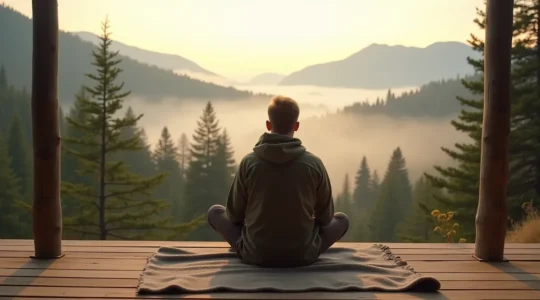
Why 5-Star Camping Is the New Mental Health Retreat for Burned-Out Executives?
For the high-performing executive, 5-star camping is not an escape from work; it is a strategic protocol for performance recovery. It systematically resets core biological systems, like your circadian rhythm, through structured exposure to natural light and darkness. It leverages…
Read more
Why a Gated Resort Is an Essential Sanctuary for Families with Wandering Toddlers
A gated resort’s true value is not its wall, but its integrated “Security Ecosystem” designed specifically to contain a wandering child. Physical barriers are just the first layer; procedural safeguards like guest policies and staff training are equally vital for…
Read more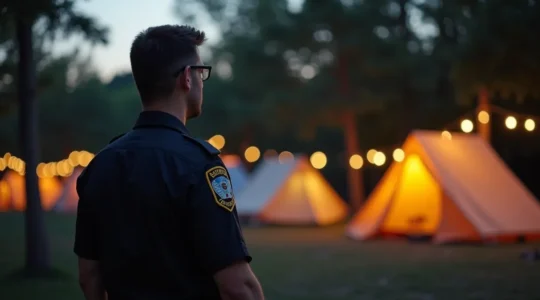
Why Human Guards Are More Effective Than Cameras in Campsites?
For families, true campsite security isn’t about recording events; it’s about preventing them and feeling protected. A human guard’s contextual judgment and ability to intervene creates a “bubble of trust” that a camera can never offer. Human guards use negotiation…
Read more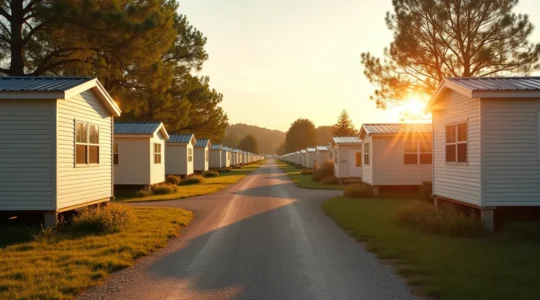
Why Private Mobile Homes Are Safer Than Hotels During Viral Outbreaks?
The key to travel safety during a viral outbreak isn’t just distancing, but gaining full control over your environmental transmission vectors. Standalone units eliminate shared air systems (HVAC) which can spread aerosols between rooms, a primary risk in multi-story buildings….
Read more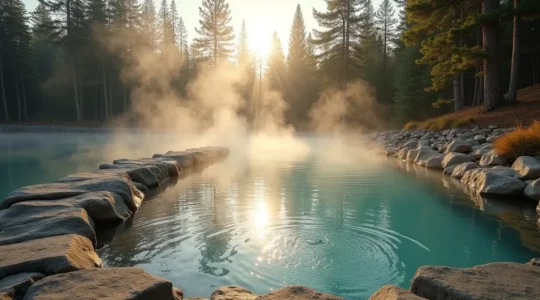
Can a Campsite Balneotherapy Pool Rival a Real Thalasso Center?
Most campsite balneotherapy pools are marketed as luxury spas, but their therapeutic value is not guaranteed and often falls far short of a true thalasso experience. Genuine benefits depend on specific hydro-mechanics, including jet types precisely targeting muscle groups. Operational…
Read more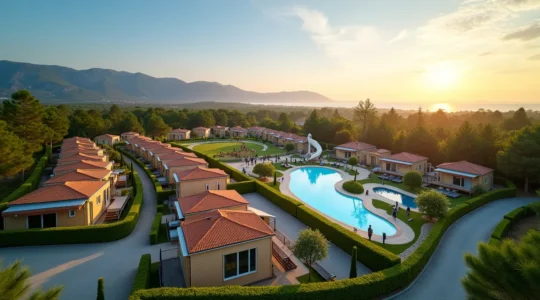
What Do 5 Stars Actually Guarantee in a French Campsite?
A 5-star rating on a French campsite doesn’t guarantee a luxury experience; it guarantees compliance with an administrative grid focused on infrastructure. Stars prioritize quantifiable metrics like pitch size and the number of languages spoken, not experiential quality like atmosphere…
Read more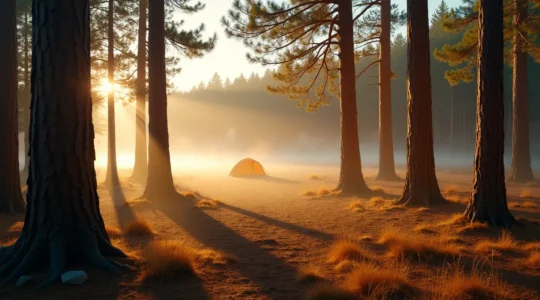
Why Sleeping in a Pine Forest Improves Your Respiratory Health?
The air in a pine forest is more than just fresh; it’s a natural, inhalable treatment rich in therapeutic compounds that actively combat respiratory inflammation. Volatile organic compounds (VOCs), particularly terpenes like α-pinene, act as natural bronchodilators, easing breathing for…
Read more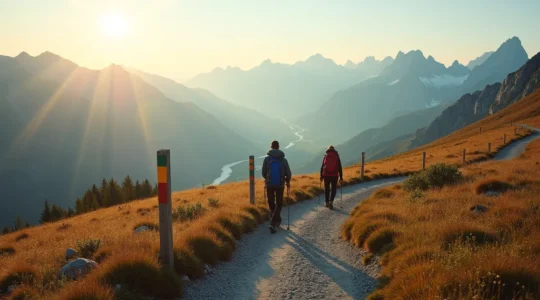
How to Hike Safely in France Without a Guide
In summary: Mastering the French trail marking system (GR, GRP, PR) is non-negotiable for navigation. Your packing list must prioritize non-obvious items like tick removal kits and whistles for children. Wildlife safety in France is less about large animals and…
Read more